The Source
Beautiful writing about delicious British food. Articles, comments and musings from our contributors.
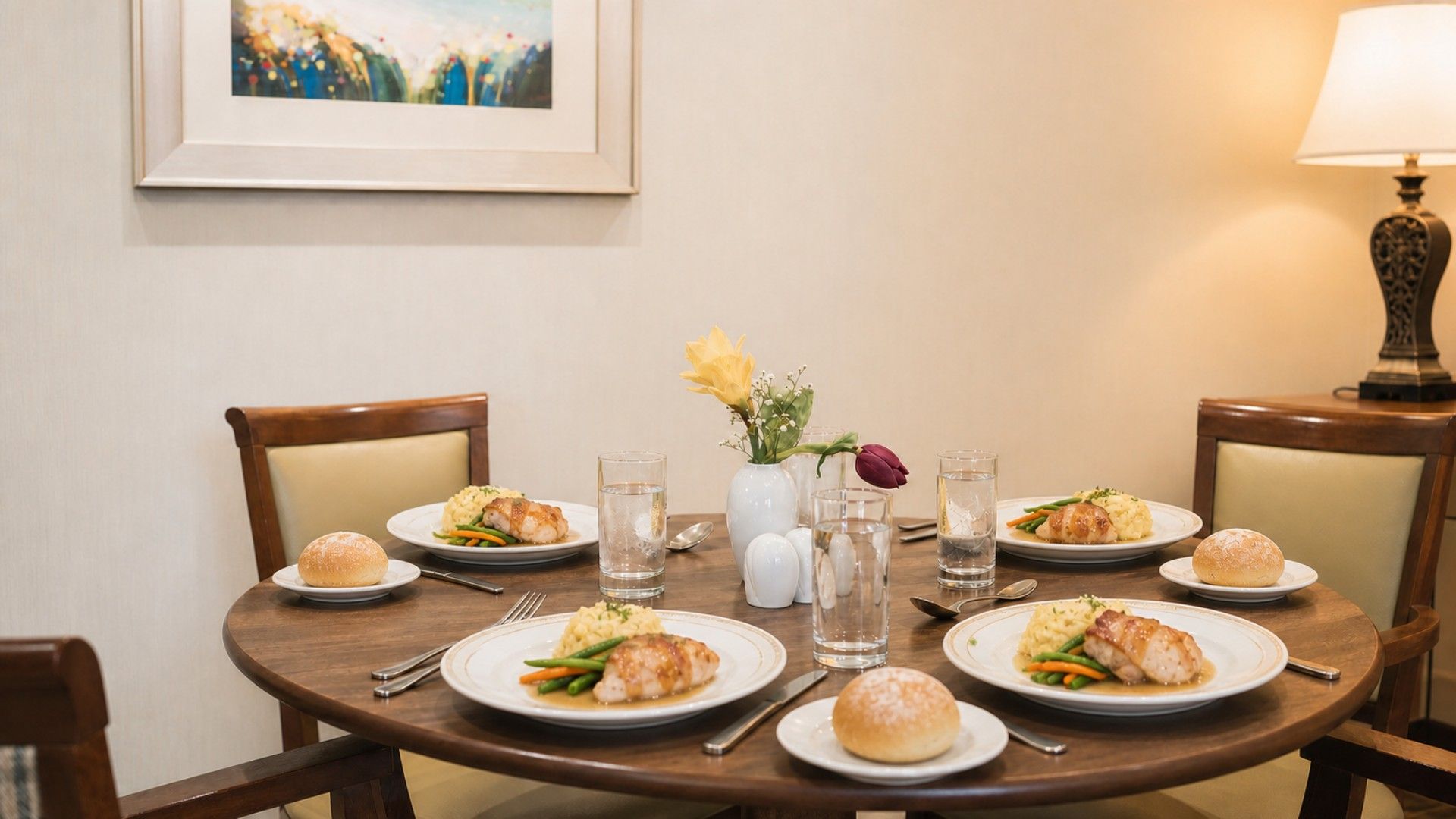
From spring lamb to fresh garden mint - Meallmore bring seasonal changes to care home dining

For the latest Spring updates in Meallmore Care Homes seasonal sourcing, Love British Food caught up with Group Catering and Hospitality Manager, Jody Marshall, to hear what’s new.
Across 27 homes throughout Scotland, the warmer months have inspired lighter dishes and provided opportunities for residents to reconnect with seasonal ingredients and kitchen gardens.
Yet for Jody, the fundamental principles guiding menu development remain the same. Nutritional value, quality produce and resident dignity remain non-negotiable.
"Although raw ingredient availability and costs go up and down, we never compromise on the integrity of the ingredients we use," he says.
That consistency matters in care home catering. Menus respond to the season while protecting residents' health and dietary requirements.
A spring menu development
Flexibility becomes increasingly important as the resident demographic changes. Many have travelled extensively and expect to continue enjoying globally-inspired flavours.
It’s a change that’s been accommodated with dishes such as pork and apricot casserole and coconut-breaded chicken. The combination of sweet and savoury elements has been well received by diners.
Spring lamb, herbs and gardens
Jody says April is traditionally associated with the first lamb roast of the year. Despite significant price rises Meallmore has retained Scotch lamb on the menu.
"Just because you're living with us in care doesn't mean you shouldn't be entitled to that lamb," he says.
Lamb and new potatoes are garnished with fresh mint sourced from many of the care homes’ gardens.
Supported by activity coordinators, residents can engage in a much-loved hobby growing herbs and vegetables.
Jody says herbs and flowers are brought indoors for those who are less mobile.
"That sensory connection can be especially powerful for residents living with dementia with familiar smells prompting recognition.”
Lighter food, same nutrition
Homes have also introduced more finger foods, while dishes such as tacos and wraps become useful for carrying flavoursome proteins.
Scottish venison, a standout story over winter, remains part of the menu, but Jody explains it is served differently as the weather changes.
“We’re serving a loin of venison finely sliced and served in a wrap. It creates a lighter dish without losing the nutritional benefit.”
Cajun-style chicken and Scottish salmon with sweet chilli ring in the seasonal changes.
Jody says the challenge is to make plates look lighter while ensuring residents still receive the calories they need.
"If we're doing a mince wrap, it’s fortified with cream and butter, so the calories remain the same," he explains.
That approach mirrors the care sector's wider responsibility to balance enjoyment with clinical need. Fortification, hydration, texture modification and individual dietary requirements are all considered.
Hydration in warmer months
Hydration becomes a major focus as homes move towards summer. Afternoon teas feature more smoothies, using fresh garden herbs to create flavour and interest.
Jody talks about building hydration into foods residents already enjoy. Custard over a favourite cake, jelly as a colourful finger food snack, can all help increase fluid intake without making hydration feel clinical.
Residents shape the menu
Meallmore continues to run their own 'Come Dine With Me' style sessions for residents to trial new dishes.
Based on the feedback, homes can adapt what is served while keeping the selected protein of the day and nutritional balance intact. It’s a system that gives chefs creative autonomy while balancing procurement logistics.
The same principle applies to regional tastes. As mackerel comes into season, Jody says it can be warmly received in Glasgow but rejected in some north-east homes, where residents may see it as bait fish and prefer seafood such as langoustine or crab.
Those differences matter because they show respect for regional identity and culinary heritage.
Supplier relationships and spring pressures
Meallmore's supplier relationships remain strong. With a significant annual spend across ambient and frozen goods, and regular meetings with fresh produce suppliers, the organisation maintains close communication and escalate issues quickly.
In spring, some pressures have eased. The supply of British chicken and eggs has become more stable. Salmon is also more accessible. In contrast, broader foodservice costs continue to rise, including coffee and chocolate.
Jody thinks ahead to possible weather-related supply chain disruption and considers what a poor growing season could mean for future menus. If apples or other familiar fruits are affected, the team will introduce alternatives such as dates.
Food as celebration and connection
Spring also brought moments of celebration. Easter is marked across the homes with decorations, egg painting, Easter egg hunts and intergenerational links with nurseries and schools.
Fish suppers remain a Friday tradition, with one chef presenting fish and chips in classic waxed paper, a nostalgic nod to residents’ past experiences.
Celebrating cultures and chefs
Meallmore also uses food to celebrate the diverse cultures of its workforce with homes hosting cultural days where staff cook traditional dishes, wear national dress, play music and share dance.
At one event in Fraserburgh, residents moved between Scottish, Romanian, Polish, Filipino, Zimbabwean, Nigerian, South African and Zambian stands. They tried foods such as nshima, sadza and jerk chicken, discovering new flavours through the people who care for them every day.
For Jody, this also supports staff pride and creativity. The same thinking sits behind Meallmore's investment in chefs. Around 90 people have now gone through the Chef’s Academy, with two chefs reaching national finals representing Scotland in the NACC Chef of the Year competition.
A care home menu with a human test
For all the procurement, nutritional analysis and menu planning, Jody says his guiding test remains personal.
"If it's not good enough for my mum and dad, it's not good enough for anybody else's mum and dad," he says.
"I'm looking after more than 1,200 grandfathers and grandmothers."
That personal approach runs through Meallmore's sourcing story whatever the season.
Take a look at the other Inside Britain's Sourcing Story blogs:
Share:
You may also be interested in...