The Source
Beautiful writing about delicious British food. Articles, comments and musings from our contributors.
Celebration and change - how Local Food Links is marking 20 years while preparing for a new school food landscape
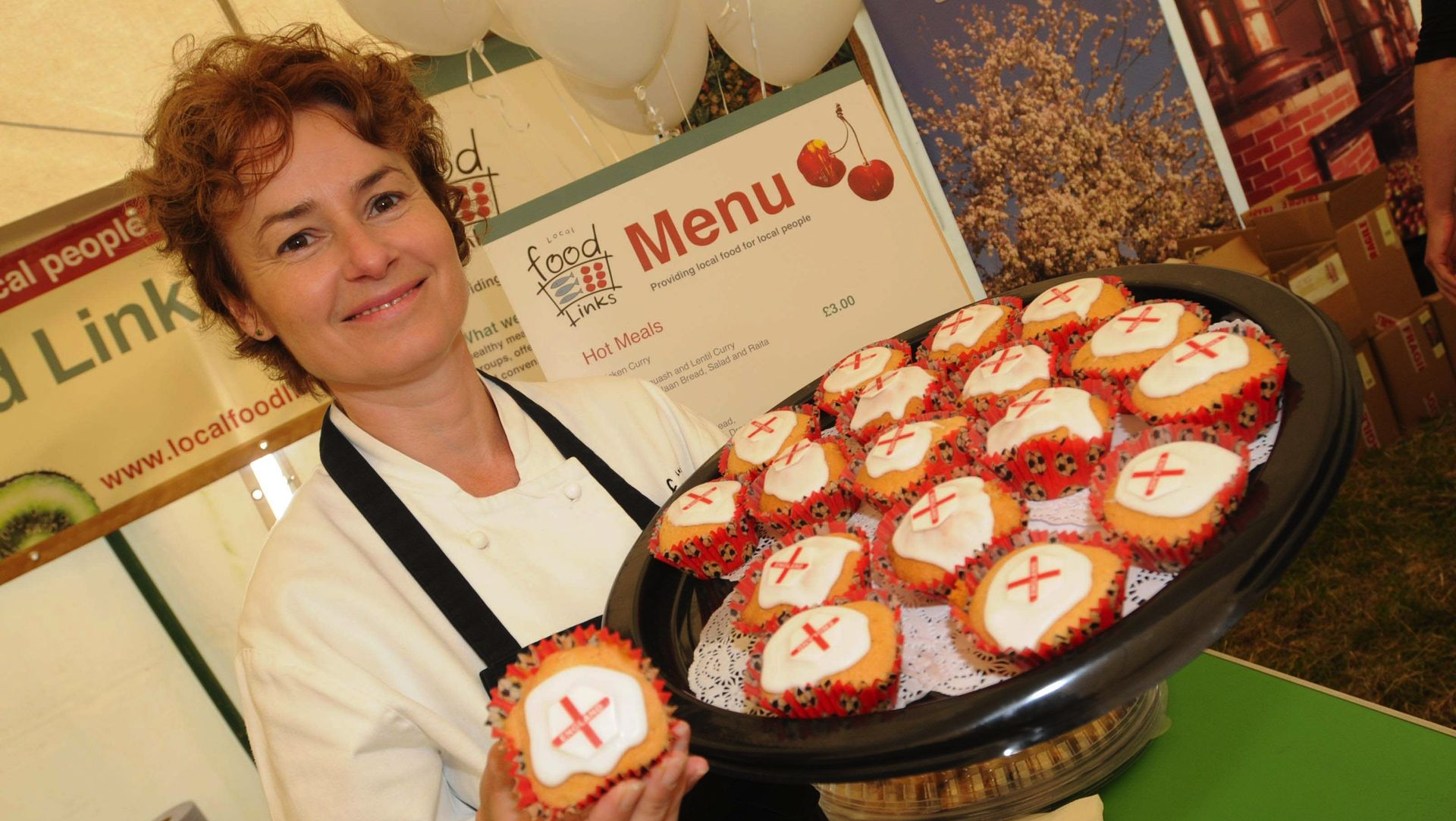
As the summer school term gathers pace, we had our quarterly check-in with Local Food Links chief executive, Caroline Morgan, to discuss 20th anniversary celebrations, upcoming menu changes and the realities of delivering almost 5,000 school meals a day from three kitchen hubs across rural Dorset.
Since the winter edition, Local Food Links has been preparing for one of its most significant milestone moments. With only half a term remaining for this school year, the team is balancing celebration with managing proposed updates to the School Food Standards and the expanded free school meals eligibility from September.
For Caroline, the two themes are closely connected. Local Food Links has spent two decades rebuilding a culture of hot school food for pupils. The challenge now is to keep that progress moving forward, while making sure new policy ambitions work for children, schools, caterers and suppliers on the ground.
Celebrating 20 years of school meals
This summer, Local Food Links will mark its 20th anniversary with an afternoon tea at Dorchester Town Hall, bringing together schools, pupils, suppliers, supporters and local guests.
“It‘s been a big part of many of the team’s lives, so it is nice to reflect and celebrate,” Caroline says.
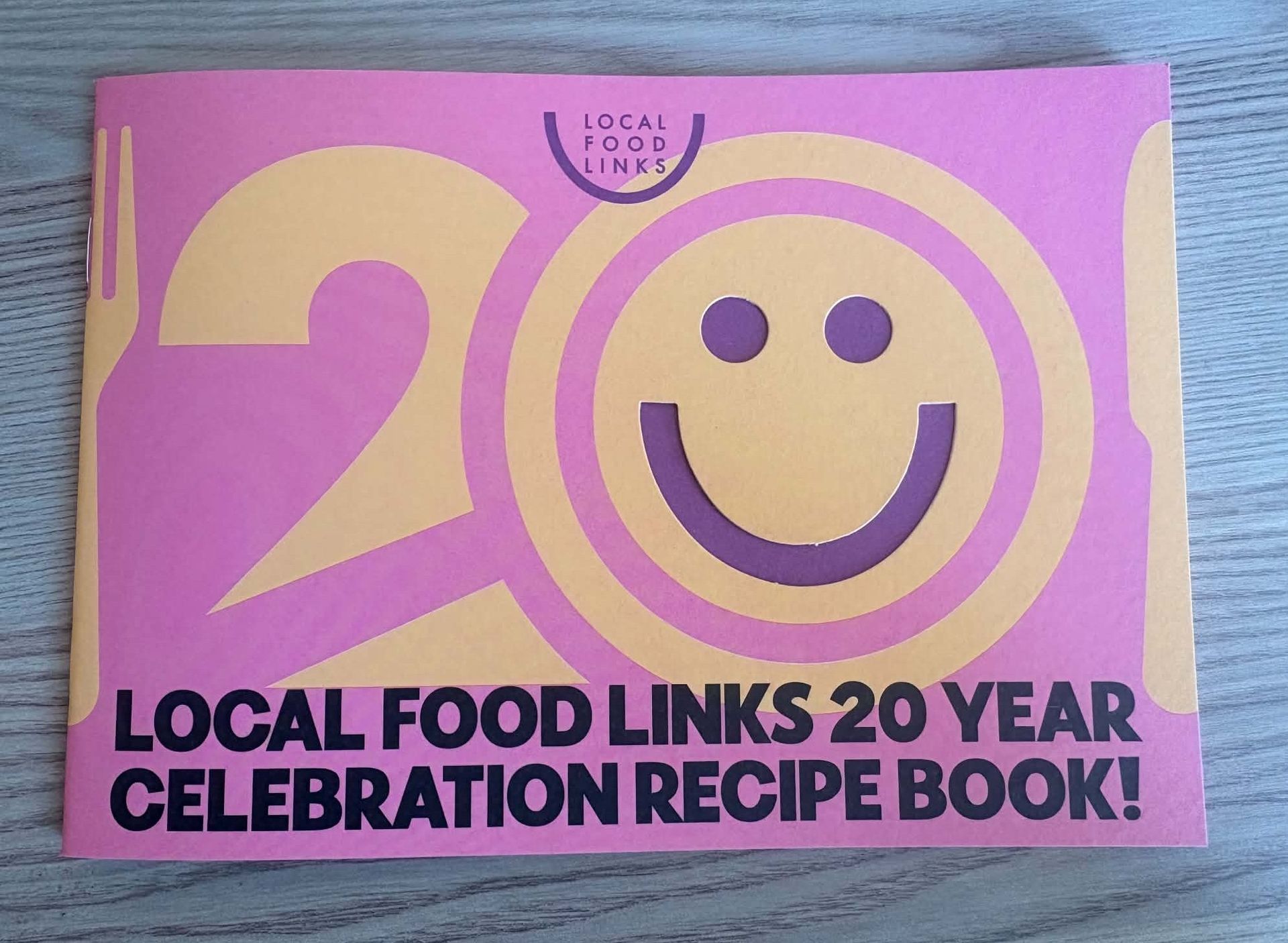
The celebrations extend into schools, with special 20th anniversary cupcakes accompanying a commemorative cookbook which every pupil will receive a free copy of.
Featuring favourite dishes from the menus and encouraging families to recreate them at home, the recipes capture the spirit of the organisation – tasty, seasonally-based and rooted in the idea that school food should be key to a child’s wider relationship with good ingredients.
Even the Dorset watercress soup, complete with a creme fraiche smiley face inspired by the Local Food Links logo, has earned its place in the book, despite Caroline admitting the adults may have loved it more than the children.
What proposed School Food Standards could mean in practice
Alongside the anniversary plans, proposed updates to the School Food Standards are in progress. Caroline has been involved in discussions with the Department for Education and welcomes the fact that delivered-in school meal services, such as Local Food Links, are being heard.
She is clear the policy aims are well intentioned. Hot school meals should support nutrition, encourage positive eating habits and provide pupils with a balanced, filling meal.
However, Caroline is concerned that some proposals may be too stringent for children, budgets and kitchen capacity.
“Under the draft approach discussed with caterers, every pudding would need to contain at least 50% fruit, with one day a week being fruit only and other days combining fruit with options such as plain yogurt or low-sugar rice pudding. A baked item would only be permitted on one day,” she explains.
For a business producing around 5,000 meals a day from three busy kitchens, where space is already tight, some options would be difficult to deliver at scale.
There is also the question of appeal. Local Food Links has trialled a fruit-only pudding day and a berry compote with natural yogurt, in line with the proposed direction. Feedback was not encouraging.
“It just didn’t go down very well,” Caroline says matter-of-factly.
Her concern is that if menus become less appealing, numbers may fall and pupils could turn to less balanced packed lunches, while caterers already working on tight margins face added pressure.
At the same time, caterers are preparing for free school meal eligibility to expand to families receiving Universal Credit from September.
“Entitlement does not automatically mean orders, but across 59 schools even a small increase could have a significant operational impact on us as we’re already near capacity,” adds Caroline.
“We’ll just have to see what happens. We’re hoping everything will soon become apparent and that we’ll be able to step up to the plate.”
Summer menus with a World Cup twist
While the policy landscape may be serious, the summer menu brings plenty of room for play. Local Food Links is already moving into its second summer menu and, this year, the World Cup has given Barry Dovell, catering manager, an opportunity to have fun with the dishes.
Football-themed dishes include player-inspired puns, dishes such as Kane's Tikka Masala Kurry with 50/50 rice, vegetables and a mini naan, or a tropical sweet potato curry, followed by a ‘half-time orange’ wedge and chocolate flapjack. There’s also Rashford's Roast Turkey and a Bellingham's ham Ploughman's.
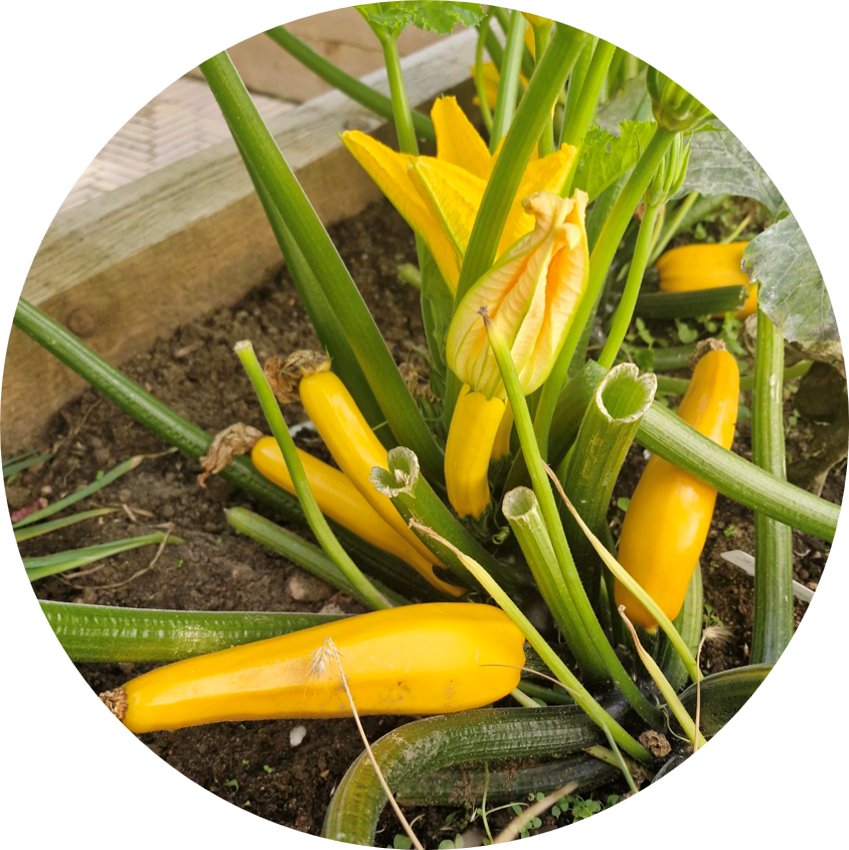
Beyond the football theme, the seasonal ingredients give the kitchens a chance to vary the offer. Newer dishes include a courgette summer loaf, golden vegetable pasties filled with carrots, potatoes, squash, peppers and onions, and chicken kebabs with flatbreads.
Caroline also explains that primary-aged children often prefer ingredients kept separate rather than mixed together. Carrot sticks, cucumber sticks and cherry tomatoes work well.
“They love their crudites, it's finger food and easy to eat, so that goes down very well with the younger children,” she says.
The realities of seasonal sourcing
A wider choice of fresh fruit is one of the joys of the seasons change, but it can also create challenges for a delivered-in and cook-chill operation. Produce has to arrive several days before it is eaten, because food for cook-chill schools is often sent out the day before service.
That means quality and ripeness need to be carefully managed. Fruit and salad items can occasionally arrive too ripe, although Caroline says suppliers are quick to replace produce where needed.
The team is also continuing conversations with The Watercress Company in Dorset. The recent watercress soup trial has opened the door to further discussions about new products that could be suitable for school catering.
Helping families try school meals
The second half of the summer term is also shaped by new Reception parent events. Local Food Links is often invited into schools to talk about the meal service, and many schools ask the team to provide tasters for children and parents.
Those events can make a tangible difference. Caroline says the schools with the strongest take-up are often the ones that ask for tasters, because they are showing families that their food is something to be proud of.
One recent session at a small rural school surprised her when a curry proved the biggest hit with children who had not yet started school.
“All the children wanted curry. I was really astounded,” she says.
Supplier relationships that stand up in a crisis
As in the winter edition, supplier relationships remain central to the Local Food Links model. One of the strongest examples is the local butcher, who supplies meat and also plays a role in the organisation's business continuity planning.
The butcher’s stainless steel kitchen next door to its main premises is available to be used by Local Food Links to prepare packed lunches if one of its own kitchens were unable to open because of flooding, fire or another emergency.
That arrangement is not theoretical. When the Weymouth kitchen opening was delayed by two months, Local Food Links used the butcher's kitchen until the build was complete.
“It's just fantastic that we have this great relationship. They're coming to our celebration. They're really lovely,” Caroline explains.
Looking ahead
For Local Food Links, this spring and summer are about looking both backwards and forwards. And while the anniversary gives the team a reason to celebrate with the suppliers, staff, schools and pupils who have shaped the past 20 years, the proposed School Food Standards and free school meal expansion demand careful planning.
In the meantime, the organisation is doing what it has always done – developing seasonal menus featuring locally sourced ingredients, talking to schools, listening to feedback and finding practical ways to make good food part of the school day.
Take a look at the other Inside Britain’s Sourcing Story blogs:
Share:
You may also be interested in...