Inside Britain’s sourcing story
Meallmore Care Homes – winter edition
How Meallmore is redefining winter dining across Scotland’s care home sector
Food plays a crucial role in enhancing the quality of life for all care home residents. As
Group Catering and Hospitality Manager across 27 homes in Scotland, Jody Marshall
believes high-quality, nutritious meals are central to residents’ well-being and dignity. Love
British Food, spoke to Jody about how the care provider approaches winter menu planning,
local sourcing and nutritional resilience.
Having spent much of his early career in luxury hotels, Jody admits the pressures are
different.
“Now I'm dealing with somebody's life. It's a completely different kettle of fish,” he says
candidly. “This is a much more rewarding sector as far as I'm concerned. You get to make a
real difference.”
Today, he supports chefs to deliver nutritionally balanced, culturally relevant and dignified
dining experiences – particularly through the winter months, when residents are most
vulnerable.
Why winter matters more in care
For Meallmore, winter menus are not just about hearty comfort food.
“Winter is when immune systems are under pressure. We look at protein levels, vitamin D,
skin integrity, all of it. You can’t just think about calories. You have to think about outcomes,”
says Jody.
Rather than relying solely on supplements, the team fortifies through ingredients.
“We use mushrooms deliberately for vitamin D. We bring in more kale for vitamin K. Protein
is carefully balanced across the week. Everything is analysed before it goes live.”
Menus are planned eight weeks in advance, with a detailed review six weeks prior to launch
to assess availability, cost and nutritional balance.
“We’re looking at red meat, white meat, fish, making sure we’ve got variety without
overloading the cycle. It’s structured, but it’s not rigid.”
Four-week menu cycles provide consistency for residents while allowing for seasonal
refresh.
‘Dignity doesn’t disappear in winter’
Before a new menu is rolled out, homes host a structured tasting session known internally as
‘Come Dine With Me.’
“We put the dishes in front of residents and we ask them honestly – do you like it? Would
you choose it again?”
If a dish misses the mark, chefs are empowered to change it.
“We trialled arancini balls. Some loved them. Some didn’t. So we adapted using the same
ingredients. That’s the beauty of it – we’re not forcing anything through.”
Flexibility extends right up to service.
“Dignity and autonomy don’t disappear in winter,” Jody says. “If someone changes their mind
five minutes before lunch, that’s absolutely fine.”
Texture-modified meals are developed alongside standard dishes, ensuring residents living
with dysphagia receive the same experience – just adapted safely.
“It’s not about separate food. It’s about inclusive food.”
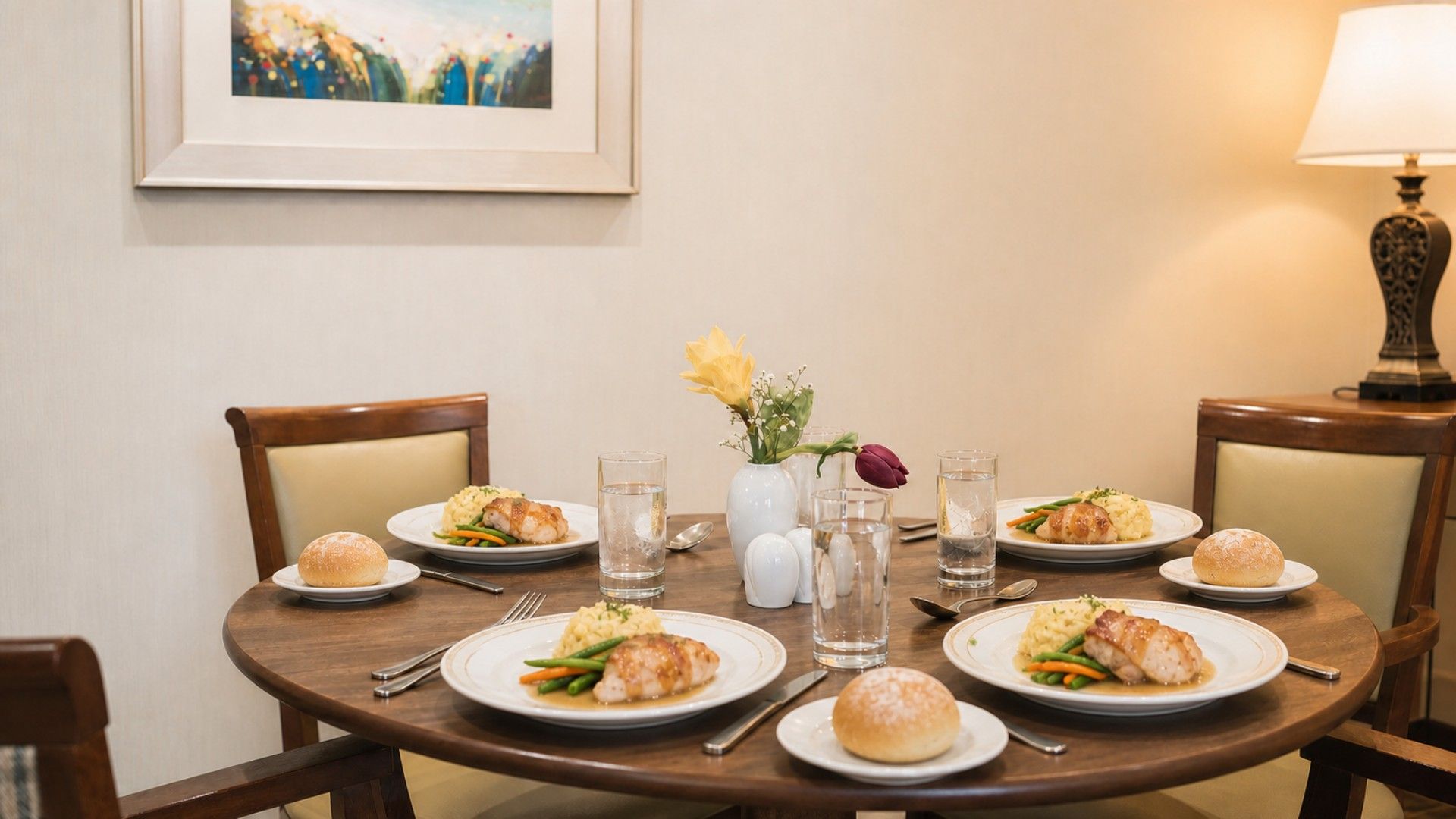
It’s an approach that is mirrored at service, with linen napkins and residents choosing where
they sit to eat.
Procurement strategy – putting Scottish first
With all Meallmore’s homes based in Scotland, sourcing locally is both a practical decision
and a matter of principle.
“Supporting Scottish producers is really important to us. Some of our residents are farmers
and fishermen. They ask where their food comes from – and rightly so,” explains Jody
Throughout the winter months, Scottish beef, lamb and pork remain staples on the menu.
Potatoes are sourced from Aberdeenshire where possible, despite seasonal challenges
around sizing.
Eggs must carry the British Lion stamp, which Jody describes as a non-negotiable
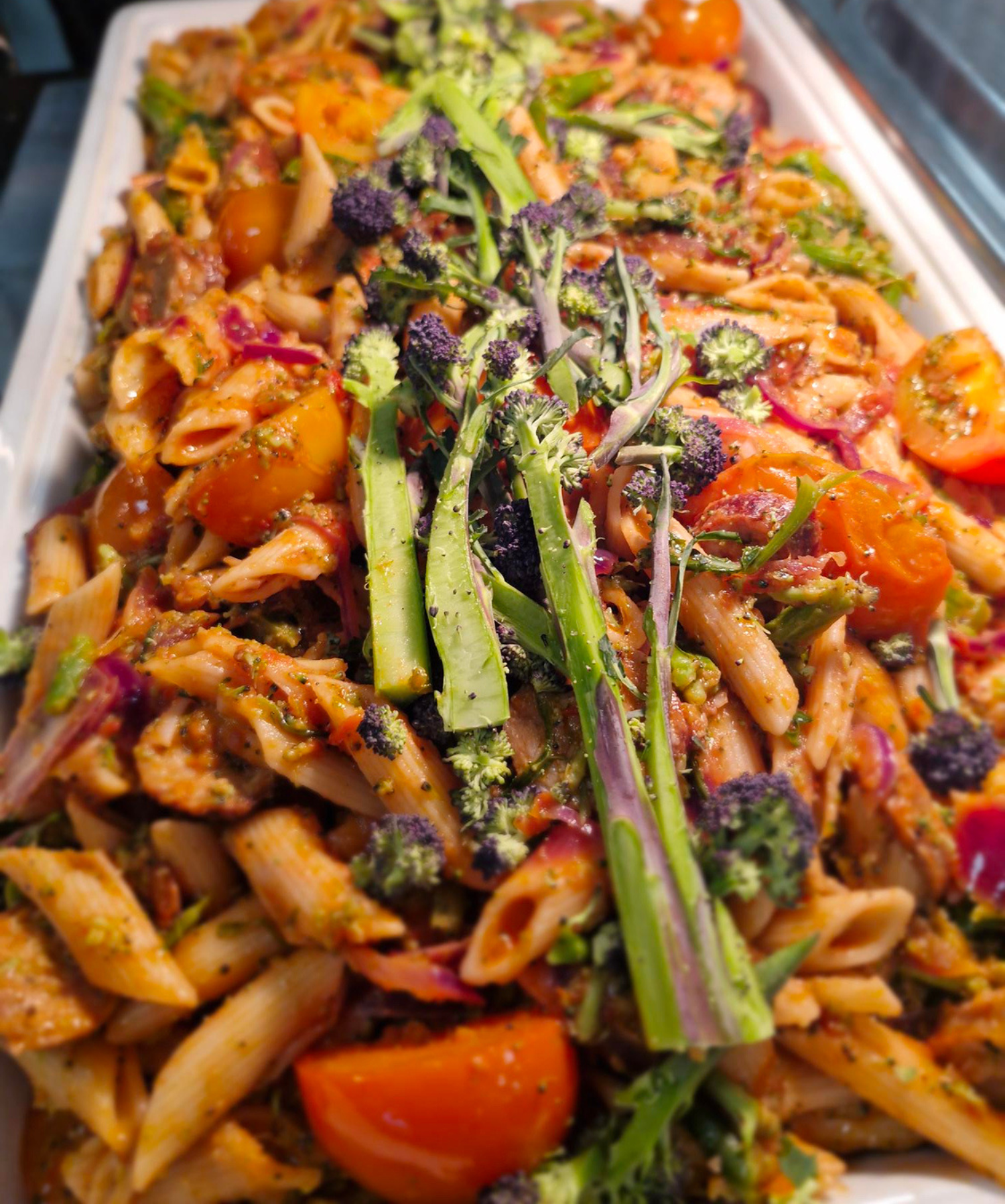
safeguard. Root vegetables such as kale, celeriac, turnips, Brussels sprouts and cabbage
form the backbone of winter sides and soups.
Venison has become one of the most notable success stories. Sourced from the Highlands,
it now appears on menus twice weekly, sometimes three times, having previously featured
just once a week.
Jody notes that venison is currently commercially competitive with beef, while offering a
lean, iron-rich protein well suited to winter nutrition.
Procurement is managed through structured monthly, quarterly and six-monthly review
cycles. Fresh meat, fish and produce are delivered up to three times per week, while frozen
and ambient goods are monitored carefully to balance resilience with ESG commitments.
Jody emphasises that their strong procurement strategy is central to all decision making: “It’s
not just about the budget per resident per day. It’s about how smartly you procure. Service,
reliability and quality matter just as much as price.”
Winter inevitably brings volatility. Pressure on cod supply prompted a switch to coley for Fish
Friday. Temporary disruption in Scottish chicken supply due to Avian Influenza meant
sourcing an equivalent from Spain for a period, rather than compromising standards with
lower-grade imports.
“We won’t compromise on safety. We care for vulnerable adults, that comes first.”
Winter resilience in practice
Scottish winters test infrastructure as much as menus. Snowstorms have recently disrupted
both staffing and deliveries. In one instance, a kitchen flooded due to groundwater and was
temporarily unusable.
“When you’re in Scotland, winter throws things at you. But strong supplier relationships
mean problems can be fixed quickly. If your supply chain is short and your communication is
strong, you’re resilient,” says Jody.
Meallmore operates with emergency menu protocols and frozen IDDSI-compliant
contingency meals to ensure safe provision continues under any circumstance.
Sister homes support one another, with chefs seconded temporarily where required. During
the flooding incident, soup and sandwiches were prepared in a neighbouring home and
transported back to the residents affected, while an improvised Italian-themed evening
helped maintain morale.
“In adverse situations, there are no restrictions on creativity. Residents still deserve an
experience.”
Regional identity on a plate
Scotland’s culinary landscape varies significantly by region, and Meallmore recognises this.
“What mince and potatoes look like in Aberdeenshire isn’t the same as in Glasgow,” Jody
says with a smile.
Menus are centrally structured to ensure nutritional integrity, but homes retain the flexibility
to adapt dishes to reflect local tastes.
“We give homes the framework, but chefs have autonomy. They serve residents directly,
they hear the feedback. That accountability helps keep standards high.”
Hydration and seasonal comfort
Winter dehydration presents a quieter but equally serious risk in care settings. Meallmore
operates hydration stations offering up to fifteen drink choices daily, both hot and cold.
Seasonal adaptations include warm apple drinks infused with cinnamon. Jody says they are
designed to increase fluid intake: “You make it sensory. You make it comforting. And people
drink.”
More than a meal
For Jody, the emotional role of food in care homes cannot be overstated.
He recalls a gentleman who refused to leave his room after recently moving in.
“He was having a real struggle settling in. So, one morning, the chef fried bacon outside his
door. The smell drifted down the corridor. Five minutes later, he was out of his room, fully
dressed, asking for breakfast.”
He pauses.
“That’s hospitality. That’s nutrition. That’s dignity. It’s not just about feeding people – it’s
about connecting with them.”
Winter hospitality extends beyond nutrition. Burns Night is marked in every home with a
piper-led procession, an address to the haggis and locally sourced ingredients. The
organisation even bottles its own labelled whisky for celebratory occasions, reinforcing
cultural identity and inclusion.
“You might be in a care home, but you’re still part of Scottish culture. That doesn’t stop.”
Resident and staff engagement
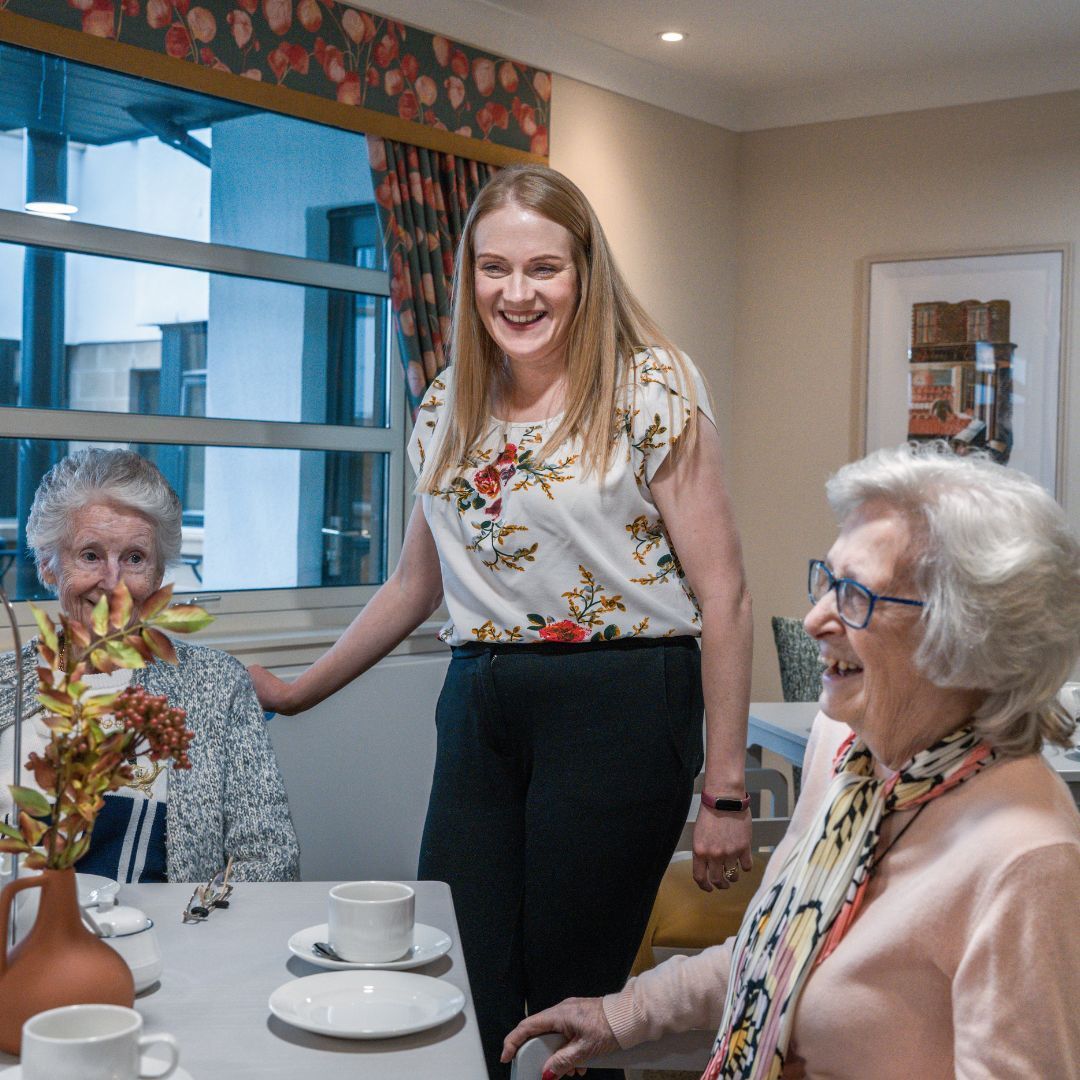
Meallmore encourages engagement between staff and residents, what Jody calls a ‘holistic
approach’. Its ‘Meals Mean More’ competition invites staff to enter cookery competitions,
with residents cheering them on.
There is also a chef’s conference and an Academy of Kitchen Excellence.
“It's a very, very clear career pathway. Probably our biggest success is that we've had lots of
kitchen assistants who've come through the ranks, become second chefs and now head
chefs. We really nurture talent here,” enthuses Jody.
A sector often misunderstood
Having spent much of his career in award-winning hotels, Jody once assumed care catering
might be simpler.
“In a hotel, you’re serving someone’s special occasion. Here, you might be serving
someone’s last Christmas dinner. That’s a responsibility – and a privilege.”
For public sector caterers in the care sector, Meallmore’s winter approach offers four clear
lessons: strong procurement underpins quality; regional sourcing builds trust; nutritional
rigour protects health; and resilience planning must be proactive.
Above all, Jody insists, every decision is guided by one principle.
“Everything we do is for our residents.”
Share:
You may also be interested in...