Essay Collection
The role of British food in society now
Food is never just food. To mark Love British Food’s 25th anniversary, Love British Food and Future Countryside have commissioned a collection of essays exploring the role of food in Britain today. Bringing together diverse perspectives from across the food supply chain and beyond, the collection provides a snapshot of British food and society in 2026 – designed to inspire fresh thinking, worthwhile debate and positive action for the future.
The Currency of Interfaith work
Written by the Rt Revd Martyn Snow, Bishop of Leicester
It is not hard to understand why, in the words of the Deputy Director of the St Philip's Centre, the interfaith centre in Leicester, "The currency of interfaith work is food." What anthropologists call commensality, the practice of eating together, is where the natural and the cultural meet. By natural, I mean that the need for food is universal: no human being is exempt from hunger. But what we eat, when we eat it, and how we eat it are shaped by culture and, for the majority of the world's people, by faith.
This is what makes the shared meal such fertile ground for encounter across difference. When people of different faiths eat together, we recognise, at one and the same time, that we are all human - sharing the same appetites and the same experiences of joy, love, and loss - and that we carry distinct traditions of teaching and practice around the table. The meal holds both truths at once.
Food can work in three ways in interfaith work, often all at the same time: as invitation, as gift, and as encounter.
An invitation
Because food is a universal need, and because rituals of eating together belong to nearly every faith tradition, shared meals are among the easiest ways to begin building relationships across difference. Invite a near-stranger to debate you, or to attend your religious service, and you are unlikely to succeed: they have no particular need to accept, so why would they? But everyone needs to eat, sooner or later, and few of us would rather eat alone.
Crucially, to accept a meal from someone requires no prior agreement — spiritual, theological, or political. And yet it is an act of trust, because to receive food from another person's hands is to place your physical wellbeing, however briefly, in their care.
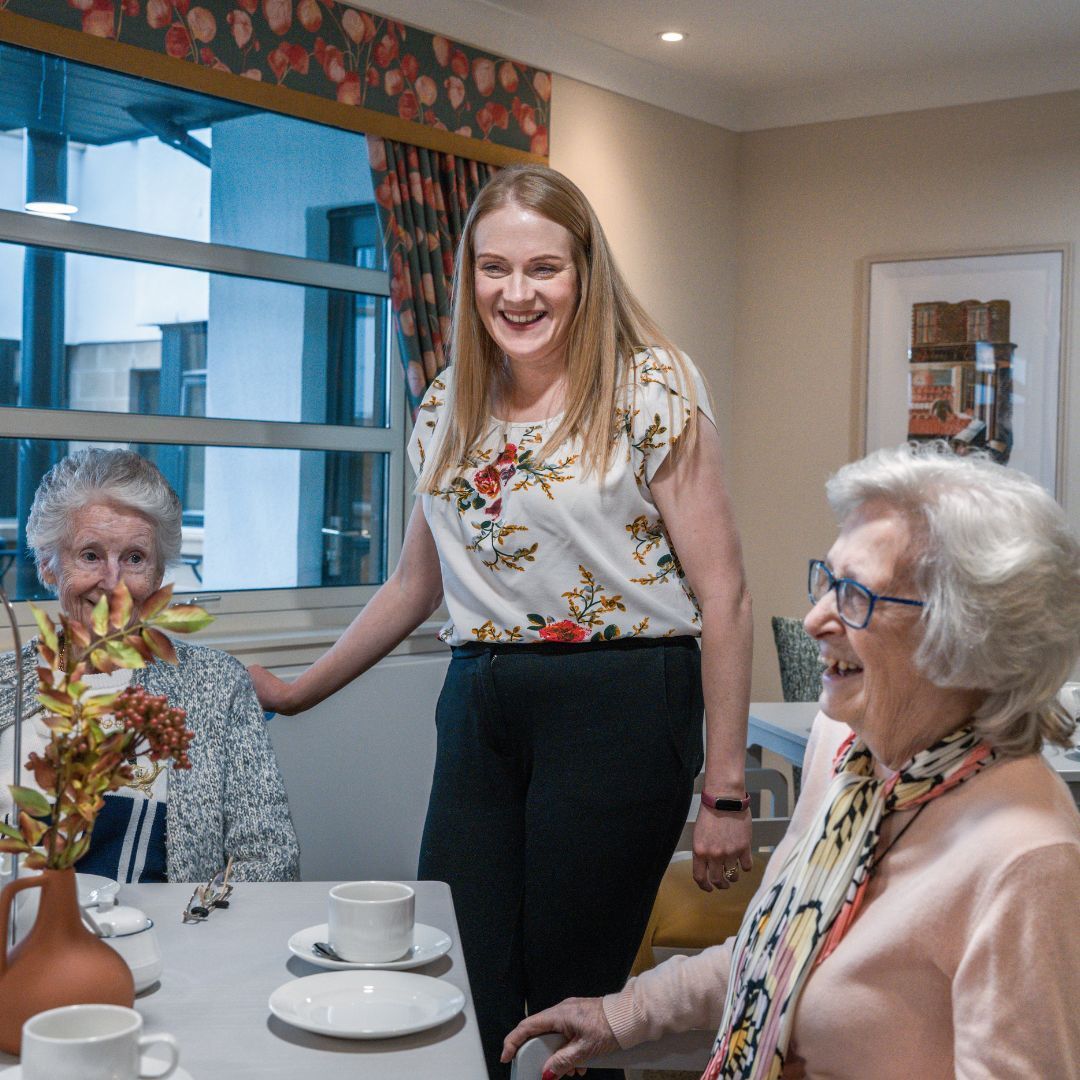
It is because food can work in this pre-verbal way that the St Philip's Centre has built community programmes around sharing meals in one another's homes. Their "Come Dine Together" project recently brought Hindu and Muslim families to the same table, helping to rebuild relationships in the wake of the unrest of 2022.
A gift
To receive food from someone is also to accept a gift. When you sit across from a person who has fed you - whatever you make of their beliefs - you acknowledge ‘this person gave up something so that I could eat.’
In the classic account of gift exchange offered by the anthropologist Marcel Mauss, this is where relationship begins. A gift asks to be received, and then reciprocated. Invite someone to dinner and they will, sooner or later, feel moved to return the favour. What looks like a single evening's hospitality is in fact the opening move in something more substantial - a back-and-forth that, meal by meal, turns strangers into something closer to friends.
Food is also a gift we receive from those who have helped grow and prepare it. As such, it connects us to a wider community and – if sourced locally – the place we share. With our interfaith meals in Leicester, we try as much as possible to serve food which has been produced locally in Leicestershire. Our county can at times feel disconnected from the city, but in this way we can ground our urban heartlands in their rural setting.
An encounter
That gift becomes more meaningful still when we attend not only to a guest's physical hunger but to the meaning which food carries for them. To cook for someone well is to learn something of their world: to understand why a Muslim guest fasts through the daylight hours of Ramadan, or a Jewish one through Yom Kippur; what makes a meal halal or kosher; why many Hindus and Jains eat no meat, out of the principle of ahimsa, or non-harm, that runs through their traditions.
In that discovery, we encounter the specifics of each other’s faith. Food reveals difference, and how we honour that difference is a form of dialogue, which makes concrete our respect for the other person not just as an instance of a universal humanity, but in their particularity.
The shared meal, then, does not dissolve our differences into sameness. Food invites us to the table, binds us in the giving and the receiving, and teaches us more about who the other person is. In doing so, it lets us hold together the two things that interfaith work requires: that we are, all of us, the same — and that we are not.
Share:
You may also be interested in...