Essay Collection
The role of British food in society now
Food is never just food. To mark Love British Food’s 25th anniversary, Love British Food and Future Countryside have commissioned a collection of essays exploring the role of food in Britain today. Bringing together diverse perspectives from across the food supply chain and beyond, the collection provides a snapshot of British food and society in 2026 – designed to inspire fresh thinking, worthwhile debate and positive action for the future.
Food banks: a permanent part of our society or a temporary fix?
Written by Emma Revie, Trussell
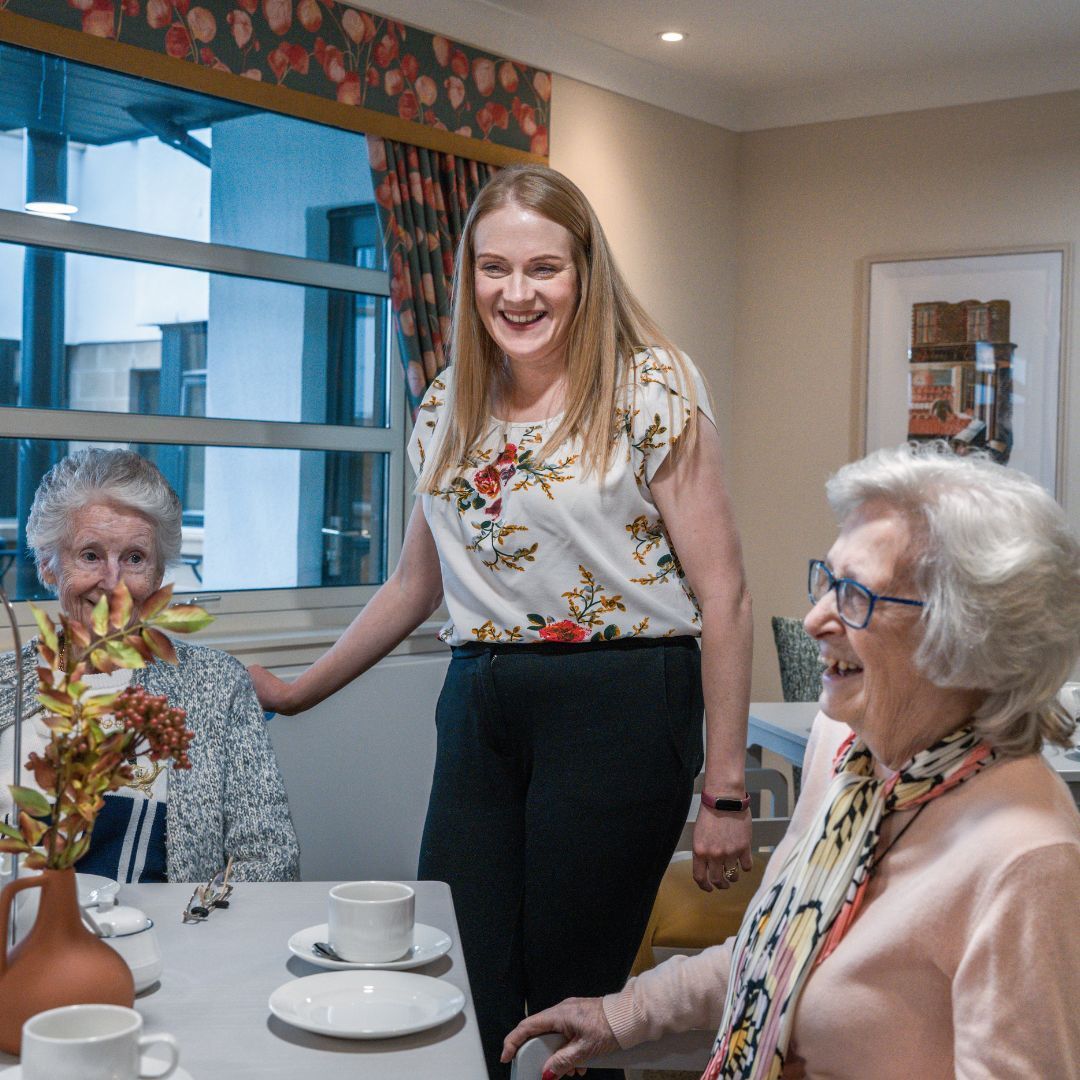
We often talk at Trussell about the power of a cup of tea. When someone arrives at a food bank, they’re invited to sit and have a cuppa with one of our volunteers. It’s one of the simplest things we do, but it communicates something profound: you are welcome, you are valued, you are not alone, and you will not be judged.
Every day, across the UK, this small act of kindness is repeated thousands of times. It sits behind the millions of emergency food parcels provided every year and reflects something important about our country. Faced with hardship, people step forward to help one another.
Food banks reveal the very best of our society. But their existence on such a scale should also make us ask difficult questions.
Last September marked 25 years since the first Trussell food bank opened in the UK. In just a quarter of a century, food banks have gone from being virtually unknown to becoming a familiar feature of our society, with 1,400 food bank centres now in the Trussell community.
Today, supermarket collection points are commonplace. Food banks feature in school harvest festivals. Businesses organise donation drives. Politicians visit them. Journalists report from them. A whole generation has grown up assuming food banks have always existed.
That should give us pause.
What does it say about the UK that food banks have become normal?
And yet there is nothing inevitable about food banks.
Food banks did not emerge because the UK suddenly ran out of food. They emerged because millions of people have found themselves unable to afford the essentials. Hunger in the UK is not a food problem. It is, fundamentally, a money problem.
The growth of food banks tells us a great deal about modern society. It tells us that hardship reaches further than many people realise, with 14 million people facing hunger in the UK. It tells us that work does not always guarantee security. It tells us that too many people are facing impossible decisions.
But food banks tell another story too.
They tell a story about communities that refuse to look away. Volunteers, churches, schools, businesses and local organisations have stepped up to support their neighbours.
This creates a tension that sits at the heart of the debate about food banks. We should be proud of food banks – but we should not be content with needing them.
Too often, these ideas become confused. Food banks are sometimes held up as evidence that society is working well because people care for one another. Every donation, volunteer hour and cup of tea offered speaks to the generosity that exists in communities across the country.
But compassion should never become a substitute for justice.
The incredible impact of food banks should not distract us from asking why they are needed.
I do not believe food banks should be a permanent part of our society. Nor do I think they are simply a temporary fix.
They are something far more important – a bridge.
They help people through hardship today while pointing us towards the changes needed tomorrow. Food banks connect people with advice and support on money, housing, mental health and social security – helping put millions of pounds back into people’s pockets. They also bring the realities of life on the lowest incomes into conversations about the future of our country and campaign for the changes needed to reduce hardship.
In communities across the UK, food banks have become places where people find more than food. They are places of welcome, dignity and hope. They are our fixers, our builders, our doers. They are carers, guiders and champions. They are there, often, when no one else is.
Yet their greatest contribution may be what they teach us how to build something better. People need enough money from work and social security to afford the essentials. They need access to the right support in their communities when life becomes difficult. And they need the costs of essentials such as housing and energy to be more affordable.
Most importantly, they remind us that hunger is not inevitable.
Our society has not always needed food banks. Our mission is to ensure the next generation grow up only reading about food banks in history books.
That future will require all of us – communities, charities, businesses and governments – to play our part. But if the last 25 years have taught us anything, it’s that people in our society do not accept hardship lightly and do not stand by while their neighbours struggle.
Food banks show us the best of who we are. The challenge now is to build a society that no longer needs them.
Share:
You may also be interested in...