

The Source
Beautiful writing about delicious British food. Articles, comments and musings from our contributors.
Plums are traditionally the last fruit of summer and the first fruit of autumn.
Referred to in the writings of Chaucer, they are a truly British fruit not least because they nurture the nation's idiosyncratic nature. Every early September they are like the long-lost friend that comes to visit. They are either greeted with utter relish and devoured on the spot or treated with an initial disdain, then later consumed in the guise of a jam, chutney or a form of baked pudding. Plums can also tend to outstay their welcome, once a good harvest has been utilised in every known form.
Referred to in the writings of Chaucer, they are a truly British fruit not least because they nurture the nation's idiosyncratic nature. Every early September they are like the long-lost friend that comes to visit. They are either greeted with utter relish and devoured on the spot or treated with an initial disdain, then later consumed in the guise of a jam, chutney or a form of baked pudding. Plums can also tend to outstay their welcome, once a good harvest has been utilised in every known form.
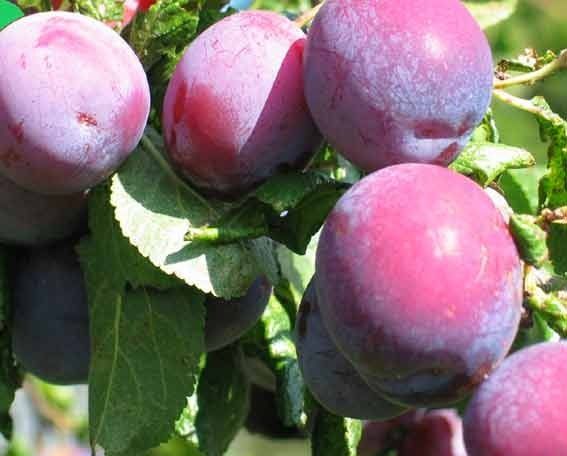
Plums are traditionally the last fruit of summer and the first fruit of autumn. Referred to in the writings of Chaucer, they are a truly British fruit not least because they nurture the nation's idiosyncratic nature. Every early September they are like the long-lost friend that comes to visit. They are either greeted with utter relish and devoured on the spot or treated with an initial disdain, then later consumed in the guise of a jam, chutney or a form of baked pudding. Plums can also tend to outstay their welcome, once a good harvest has been utilised in every known form.
The brilliant thing about plums is, rather like beetroot, it doesn't matter if you are not a fan of the raw product. Incorporated in a cobbler or served alongside duck the taste is far more subtle. Rich and tangy, without the sharpness of the raw deal. The drawback is that you either can't seem to find a British plum anywhere or you are overwhelmed by them.
Unfortunately, due to imported produce having a higher profit margin, many supermarkets tend to sell Californian Santa Rosa plums or something similar. If you are having difficulty finding British plums try your nearest pick your own or farmers markets. If you are fortunate enough to live near Burnham Market then go to Leith House Orchards www.pmfarming.co.uk. They have 3,000 plum trees and 36 varieties, including rarities with serial numbers not names because they never made it into commercial production, where you can pick-your-own. Foraging is another option. Carefully scoured hedgerows, particularly in North Wales can often yield wild plums. The wild plum tree is very similar to the blackthorn, about 6 meteres high with dark oval leaves. The fruit are usually ripe by the end of September. Wild plums are dark purple with juicy, green flesh. Of course the easiest, most cost efficient and environmentally friendly way of obtaining British plums is to grow your own. Varieties such as Marjorie's Seedling and Victoria are easy to grow and will have you deep set in plums for years to come. As with all fruit, it's better to buy trees from a specialist nursery, such as Brogdale Farm in Kent, home of the National Fruit Collection. You will be amazed, in a good year, how many plums your tree will yield. You will then wonder, as any scrap of space diminishes from your freezer, what you are going to do with them all.
Comfort yourself by knowing generations of ancestors have faced similar conundrums and they did not have fridges or freezers. Plums are just as good a component of savoury dishes as they are of sweet ones.
A plum sauce can enhance the flavours of pork, poultry and game dishes. Duck or partridge with spiced plums is a delicious autumnal supper. Similarly a plum salsa is fantastic with mackerel or herring. For vegetarians, a plum and brie tart is easy to make. In fact plums sit very well with cheese be they in pastry, as a jacket potato filling or simply on a cheese board. How about a plum chutney and cheese sandwich? Plum preserves are a great way to galvinise a glut. Plum jam is utterly divine be it on a thick wedge of fresh bread or on toast. It also makes a wonderful present. And 'Pershore' plums make excellent jam or chutney.
Share:
You may also be interested in...

From Perthshire berries to hydration jellies – Meallmore makes summer food count
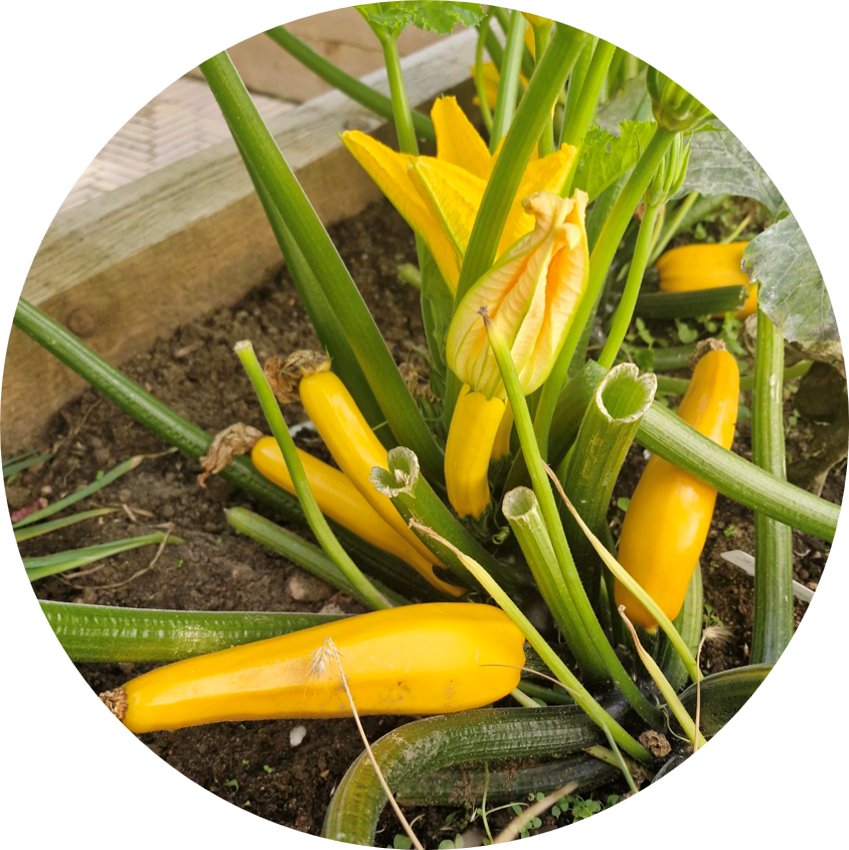
From allotment-grown veg to a temporary kitchen – MKUH keeps fresh food on the menu
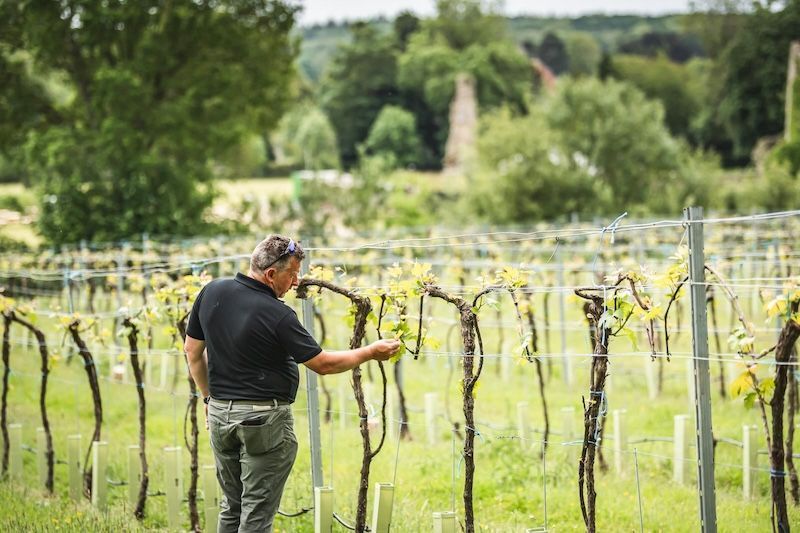
"Consuming food in this day and age isn’t solely going to your local store and buying that piece of food"

Our lead assurance partner, Red Tractor, explores how public procurement can support British farmers and producers while giving schools greater confidence in the food they serve.

20 years, 20% growth – why trusted suppliers are the backbone of Local Food Links

Celebration and change - how Local Food Links is marking 20 years while preparing for a new school food landscape

From spring lamb to fresh garden mint - Meallmore bring seasonal changes to care home dining
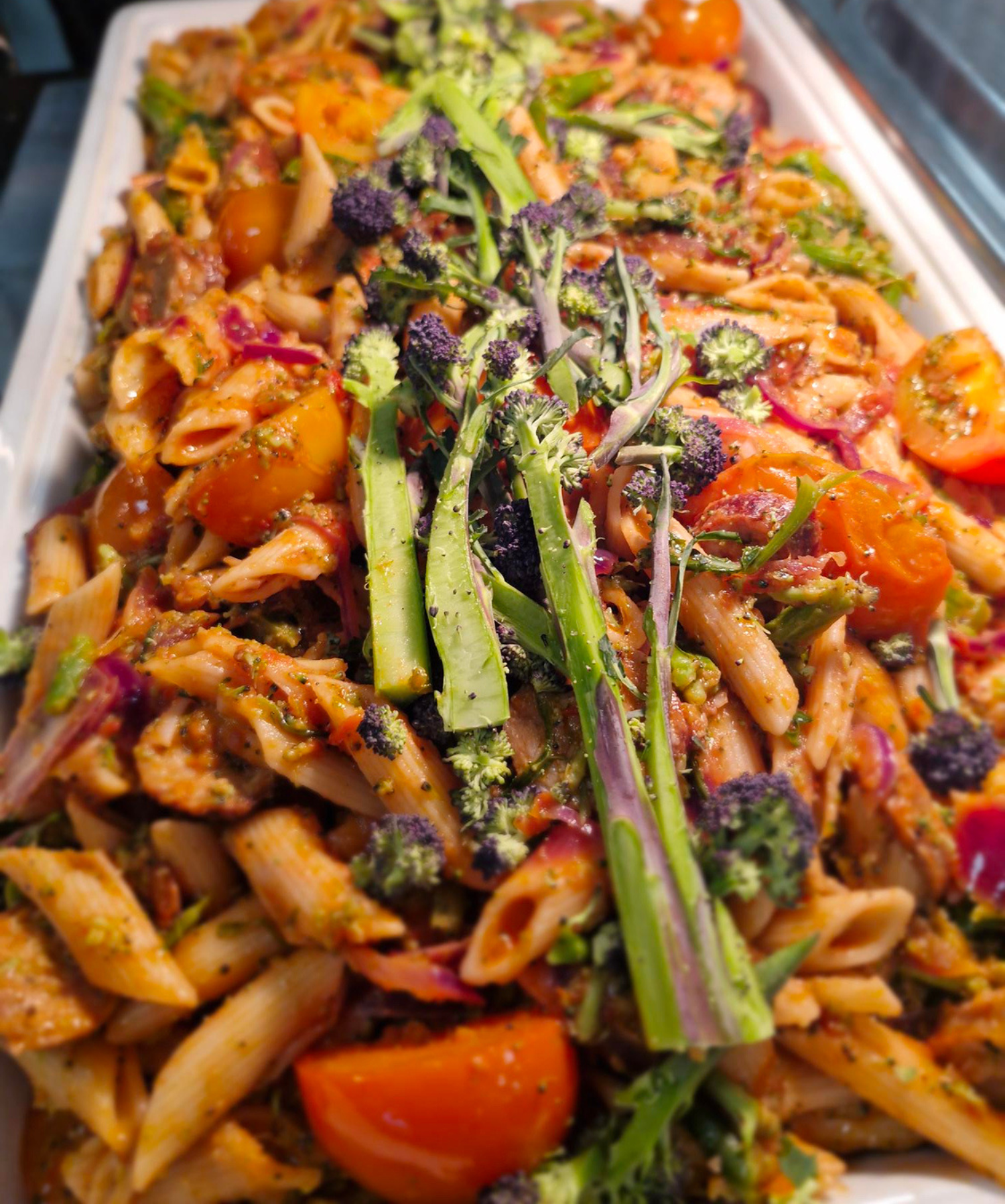
From farm-fresh veg to sunshine salads - MKUH brings spring onto patient and staff plates







