The Source
Beautiful writing about delicious British food. Articles, comments and musings from our contributors.
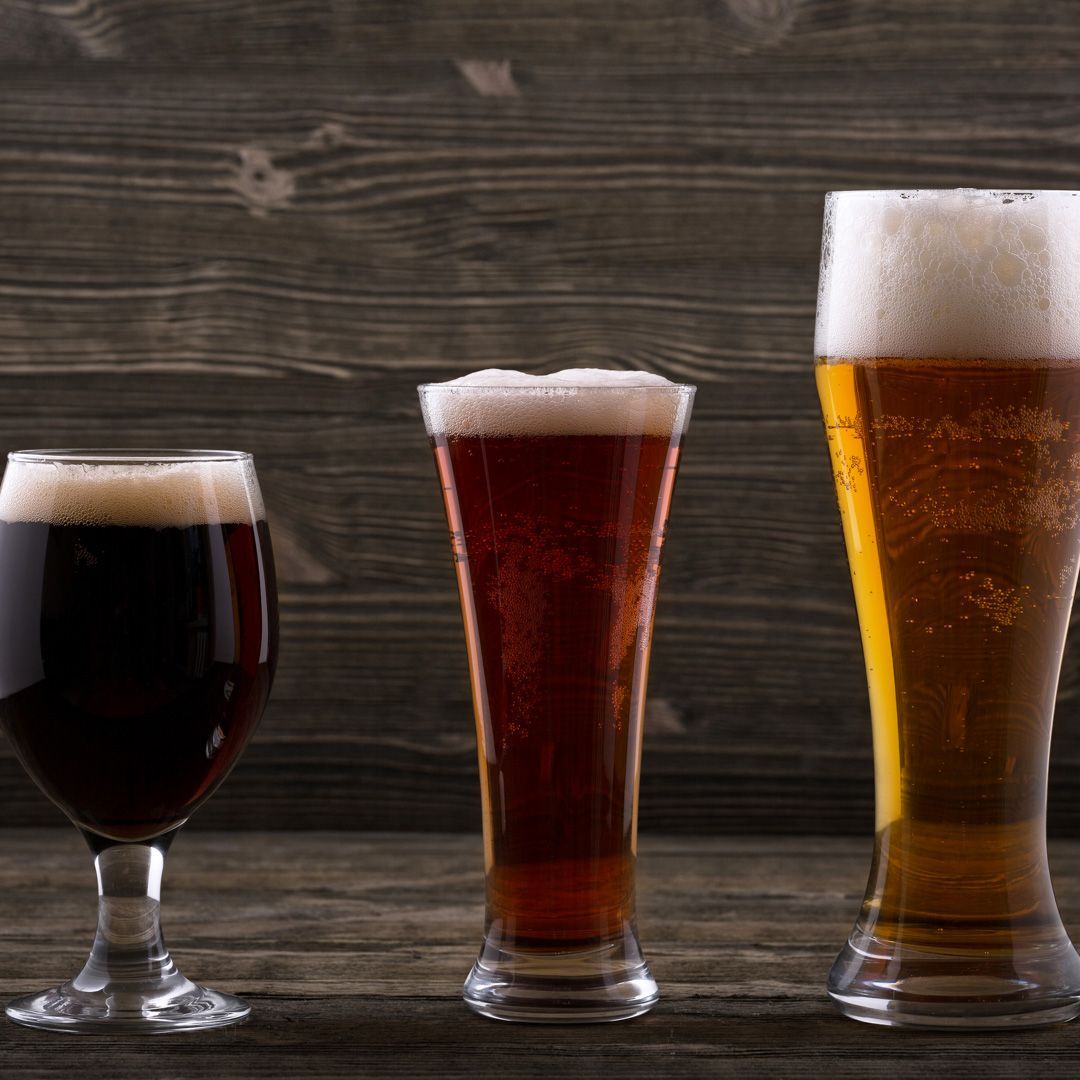
I am an accredited beer sommelier and the founder of the School of Booze. Whenever I’m educating about beer one of the questions I am most often asked is ‘What is the difference between ale and lager’. The answer gives me the opportunity to talk about The Family Tree of Beer. This is how I explain it.
Picture a Venn diagram. Each of the three interlocking circles contains one of the following words: Ale, Lager, Wild Fermentation. Each is a branch of the family tree of beer. Where the circles overlap, the headline is BEER. Each branch contains sub-branches, which represent the various beer styles. Ale includes IPA, Barley Wine, Mild, Porter, Weizen and dozens of others. Lager incorporates Helles, Pilsner, Märzen, Schwartzbier, Bock and several more. Wild fermentation comprises Lambic, Faro, Gueuze (three Belgian styles) and others, all of them acidic and sour and often mistaken in blind tasting for cider or wine.
Only a handful of British brewers produce wild fermentation beers – most of them are ale and lager brewers.
What Determines The Branch That Beers Sit On?
The main factor is the strain of yeast used in fermentation. Ale brewers employ a strain of cultured yeast known as Saccharamyces Cerevisiae which ferments quickly at temperatures between 16-20 ̊ C (60-68 ̊F) adding fruity aromas and flavours known as esters to the beer. It is often referred to as warm fermenting or a top fermenting (denoting the direction the yeast cells head in the fermentation vessels).
Lager brewers used a strain of cultured yeast called Saccharomyces Pastorianus often referred to as a bottom fermenting (denoting the direction the yeast cells head in the fermentation vessels) or cool fermenting yeast which ferments slowly at lower temperatures than ale yeast - between 10-15 ̊ C (50-59 ̊F) and confers a crisp body to the beer by fermenting one of the sugars (melibiose) that ale yeast does not. Lager yeast produces fewer esters than ale yeast and so lagers are often described as ‘clean’ to drink.
Wild Fermentation brewers do not use cultured yeasts, instead they encourage untamed non-conformist wild yeast spores, such as a strain called Brettanomyces (also known as Brett), that float in the air or that colonise wooden beams or beer barrels in the brewery. They also rely on wild microbes such as Pediococcus and Lactobacillus. The aromas and flavours bestowed by the yeast and microflora are unpredictable and complex and include sourness.
But to confuse the issue there are mixed fermentation beers such as Flanders Red Ale and Oud Bruin (another Flanders speciality) which are fermented with ale yeast and then aged in oak barrels where wild microflora imbue sourness. And beers described as kettle sours or fruited sours are fermented with ale yeast and then lactic bacteria is added during the brew for the characteristic tang.
The Importance of Water’s Mineral Composition
With ale and lager the mineral content of the brewing water is also a factor. A glass of beer is composed of up to 95% water. The chemical composition of water is one of the factors that determines which branch the beer styles belong to. Look around the world and note what the heritage style of beer is brewed in that area and you can make a guess about the mineral content of the water. For instance, historically Burton on Trent in the Midlands was celebrated for India Pale Ale (IPA) and the reason is river Trent water is high in calcium sulphate which makes the best IPA. River Thames water is high in calcium carbonate and London was renowned for Porter and dark Stout beers.
In ales, the water is high in mineral salts and the type of salt is influential. Water high in calcium chloride is good for making sweeter beers such as Mild. Water with high levels of calcium sulphate and bicarbonates is perfect for dry beers such as India Pale Ale and it also enhances hop aromas and flavours. Water high in calcium bicarbonate is used to make dark Stout.
Water low in mineral salts is ideal for lagers such as Pilsner - this showcases the sharp bitterness of hops and the sweet biscuit of the malts.
The presence or absence of mineral salts makes a difference to the body of the beer. Brewers can treat the brewing water by adding or subtracting minerals. Ales tend to be fuller bodied than lagers, which have a lighter body and crisp texture.
Many brewers I know studied chemical engineering or biochemistry at university and understand the complicated science of brewing. For readers who are not biologists or chemists my explanations of yeast and water are simplistic accounts but are intended to be straightforward and easy to understand. Cheers!
*****
Jane Peyton is the drinks ambassador for Love British Food and is the founder of the School of Booze and author of several books including The Philosophy of Beer – signed copies here.
Share:
You may also be interested in...