
The Source
Beautiful writing about delicious British food. Articles, comments and musings from our contributors.
A creamy textured, mellow blue cheese made from raw cow’s milk. Flavours range from tangy green apples to savoury beef stock, with toasty notes toward the rind.
Blue cheese made with raw milk to a Stilton-recipe had been extinct for 18 years after a dairy had wrongly been linked to an outbreak of food poisoning in 1989 and there was a ban on production. Despite the cheese being incorrectly blamed, Stilton went on to be awarded Protected Designation of Origin (PDO) by the EU in 1996, but with the caveat than only pasteurised milk is used… until American cheesemaker Joe Schneider came along
Schneider began a partnership with Randoph Hodson of Neal’s Yard Dairy and in late 2004 they discussed the possibility of recreating an unpasteurised Stilton-style cheese. Unable to be described as a Stilton due to the PDO, so they looked into an early name for the village of Stilton and choose Stichelton instead which was found in a record dating back to the 12th century. The name is derived for the old English ‘Stichl’ meaning a style and ‘Tun’ meaning village or hamlet.
The first Stichelton cheese was produced in October 2006, reportedly from a starter culture from the original producer by Hodgson’s colleague, and subsequently kept alive for eighteen years.
Today, Stichelton is still produced by Randolph Hodgson in small batches in a dairy on Collingthwaite Farm on the Welbeck Estate on the northern edge of Sherwood Forest. He uses raw milk from Friesian-Holstein cows from the morning milking, very little starter and it takes 24 hours to make the cheese, allowing the natural flora in the milk to bring out the flavours. The curds are hand ladled, which gives a delicate texture. Each cheese is tested for ripeness before it leaves the maturing room. There can be a great deal of variation in how the cheese tastes from batch to batch and seasonal variation is a factor too.
Like many other regional British cheese, Stichelton is in danger of being lost forever if people don’t buy it. Please support small British producers and enjoy this unique and tasty cheese.
Blue cheese made with raw milk to a Stilton-recipe had been extinct for 18 years after a dairy had wrongly been linked to an outbreak of food poisoning in 1989 and there was a ban on production. Despite the cheese being incorrectly blamed, Stilton went on to be awarded Protected Designation of Origin (PDO) by the EU in 1996, but with the caveat than only pasteurised milk is used… until American cheesemaker Joe Schneider came along
Schneider began a partnership with Randoph Hodson of Neal’s Yard Dairy and in late 2004 they discussed the possibility of recreating an unpasteurised Stilton-style cheese. Unable to be described as a Stilton due to the PDO, so they looked into an early name for the village of Stilton and choose Stichelton instead which was found in a record dating back to the 12th century. The name is derived for the old English ‘Stichl’ meaning a style and ‘Tun’ meaning village or hamlet.
The first Stichelton cheese was produced in October 2006, reportedly from a starter culture from the original producer by Hodgson’s colleague, and subsequently kept alive for eighteen years.
Today, Stichelton is still produced by Randolph Hodgson in small batches in a dairy on Collingthwaite Farm on the Welbeck Estate on the northern edge of Sherwood Forest. He uses raw milk from Friesian-Holstein cows from the morning milking, very little starter and it takes 24 hours to make the cheese, allowing the natural flora in the milk to bring out the flavours. The curds are hand ladled, which gives a delicate texture. Each cheese is tested for ripeness before it leaves the maturing room. There can be a great deal of variation in how the cheese tastes from batch to batch and seasonal variation is a factor too.
Like many other regional British cheese, Stichelton is in danger of being lost forever if people don’t buy it. Please support small British producers and enjoy this unique and tasty cheese.
Share:
You may also be interested in...
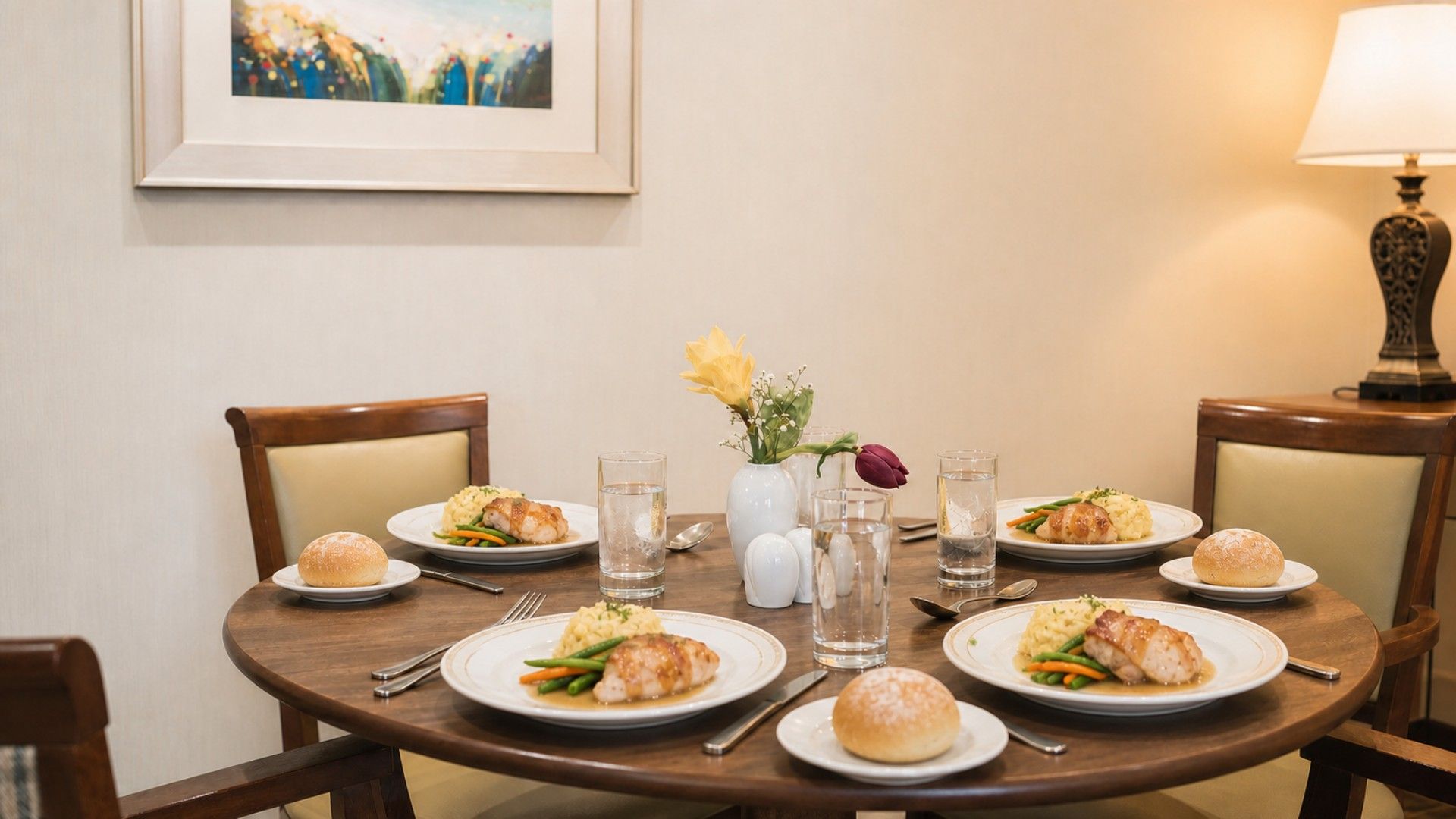
From Perthshire berries to hydration jellies – Meallmore makes summer food count
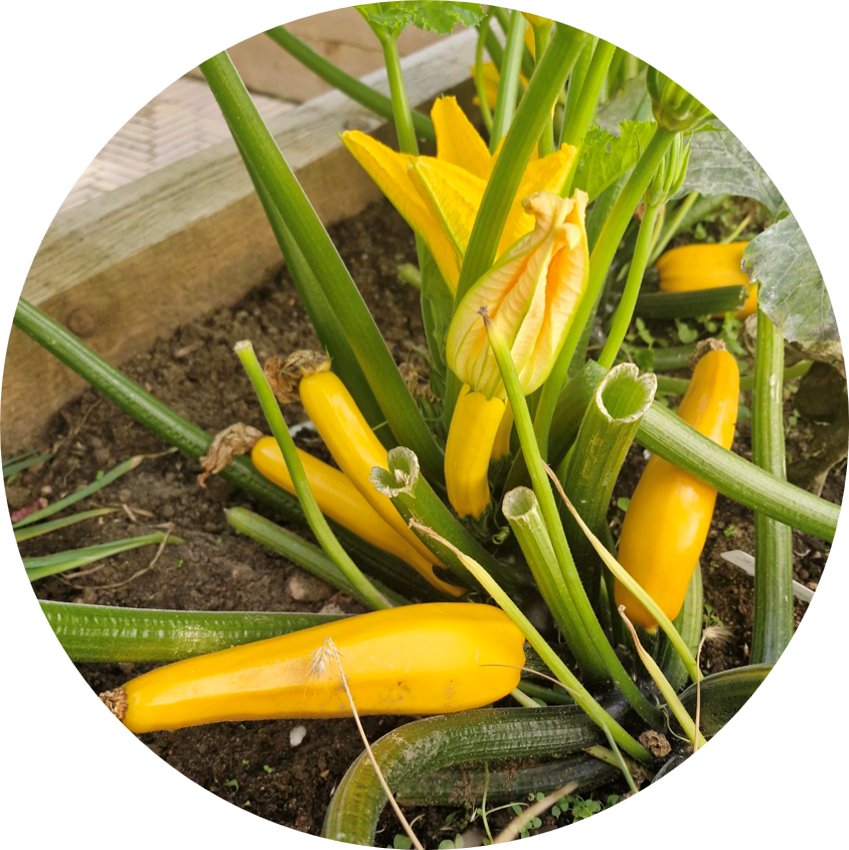
From allotment-grown veg to a temporary kitchen – MKUH keeps fresh food on the menu
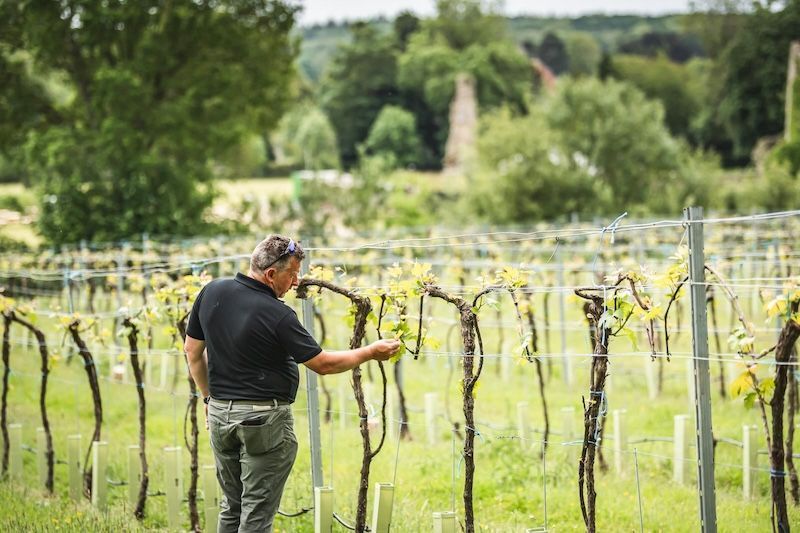
"Consuming food in this day and age isn’t solely going to your local store and buying that piece of food"
Our lead assurance partner, Red Tractor, explores how public procurement can support British farmers and producers while giving schools greater confidence in the food they serve.
20 years, 20% growth – why trusted suppliers are the backbone of Local Food Links
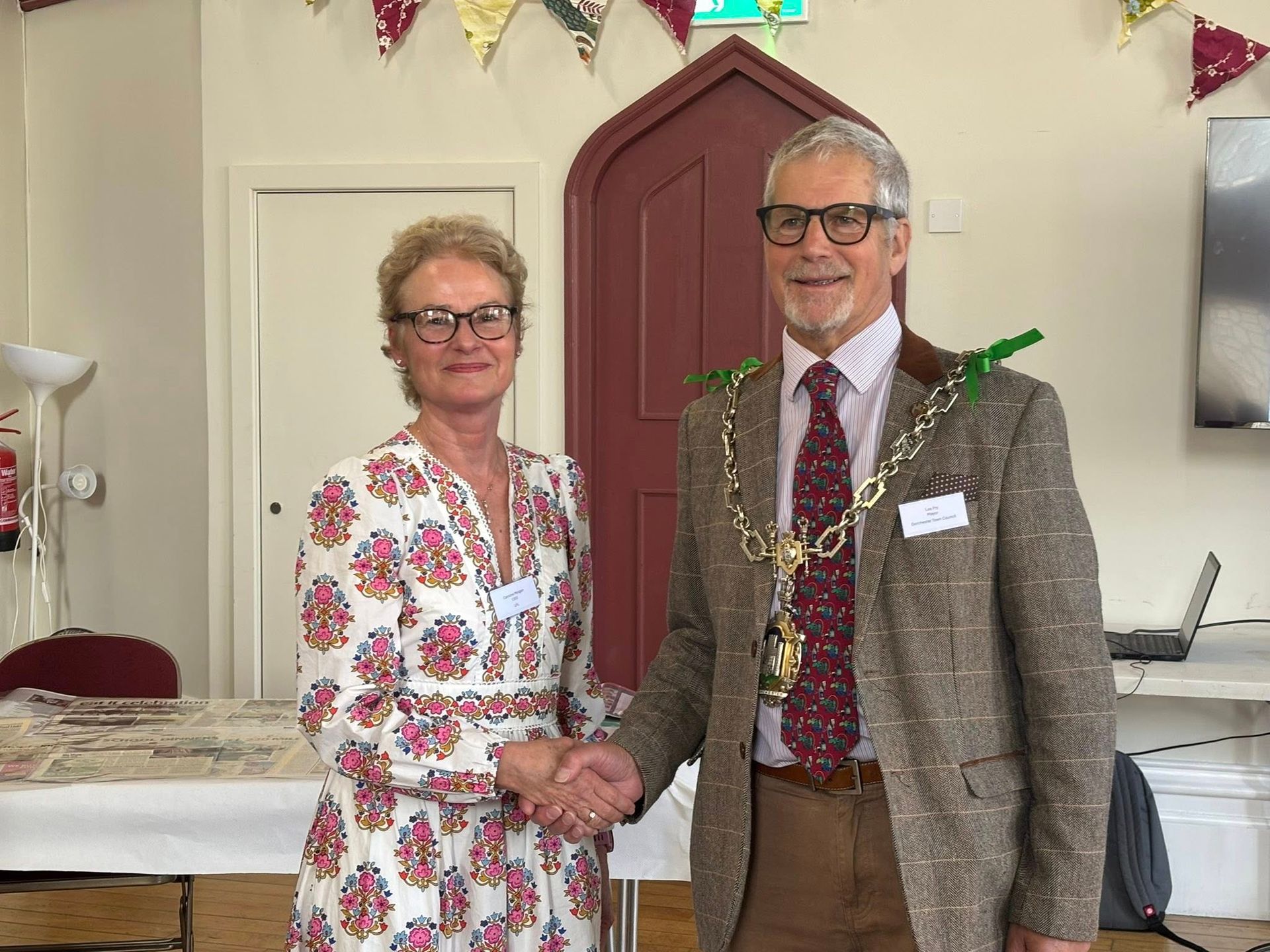
Celebration and change - how Local Food Links is marking 20 years while preparing for a new school food landscape
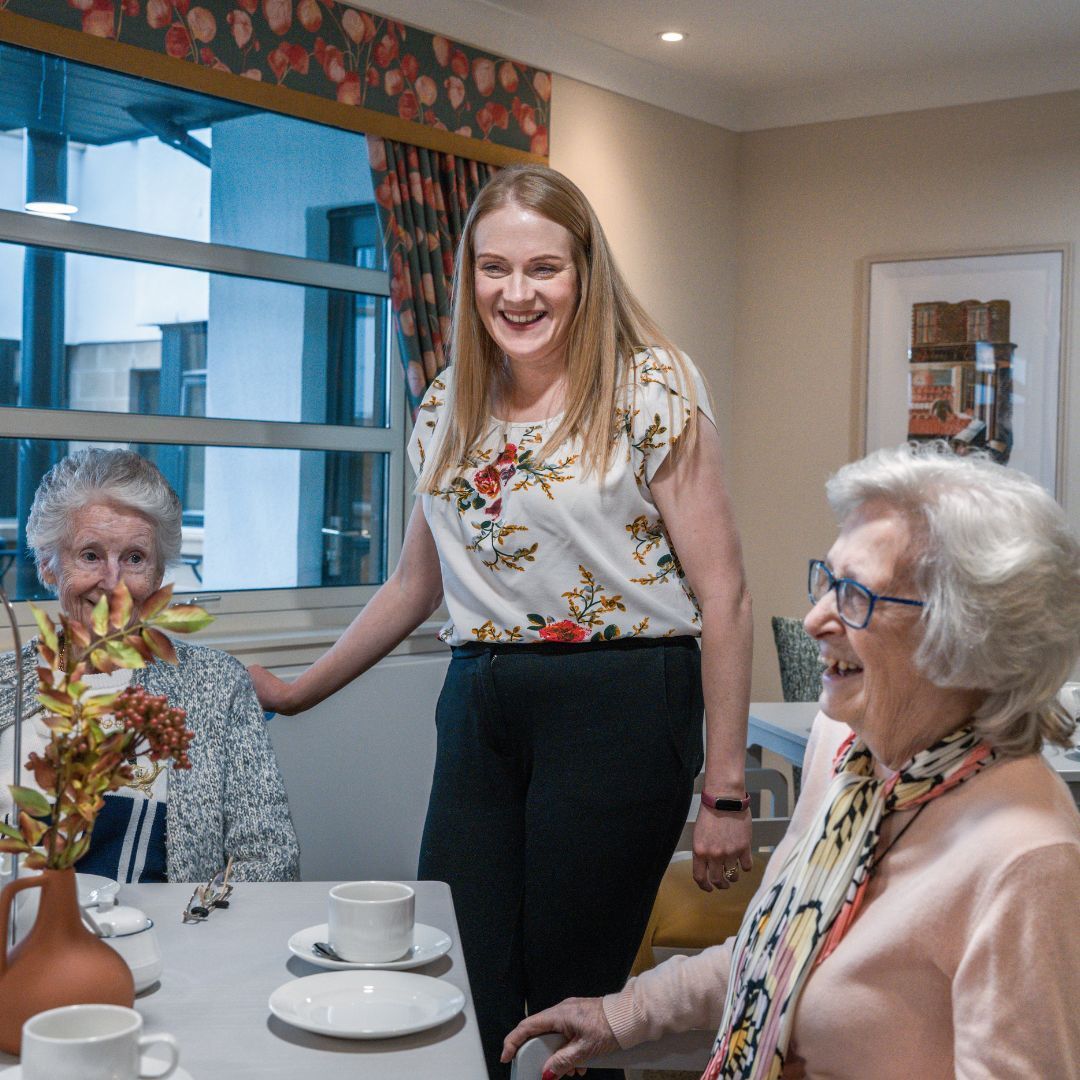
From spring lamb to fresh garden mint - Meallmore bring seasonal changes to care home dining
From farm-fresh veg to sunshine salads - MKUH brings spring onto patient and staff plates







