Essay Collection
The role of British food in society now
Food is never just food. To mark Love British Food’s 25th anniversary, Love British Food and Future Countryside have commissioned a collection of essays exploring the role of food in Britain today. Bringing together diverse perspectives from across the food supply chain and beyond, the collection provides a snapshot of British food and society in 2026 – designed to inspire fresh thinking, worthwhile debate and positive action for the future.
I care where my food comes from, but my purse has problems.
Written by Kathleen Kerridge, Food Foundation
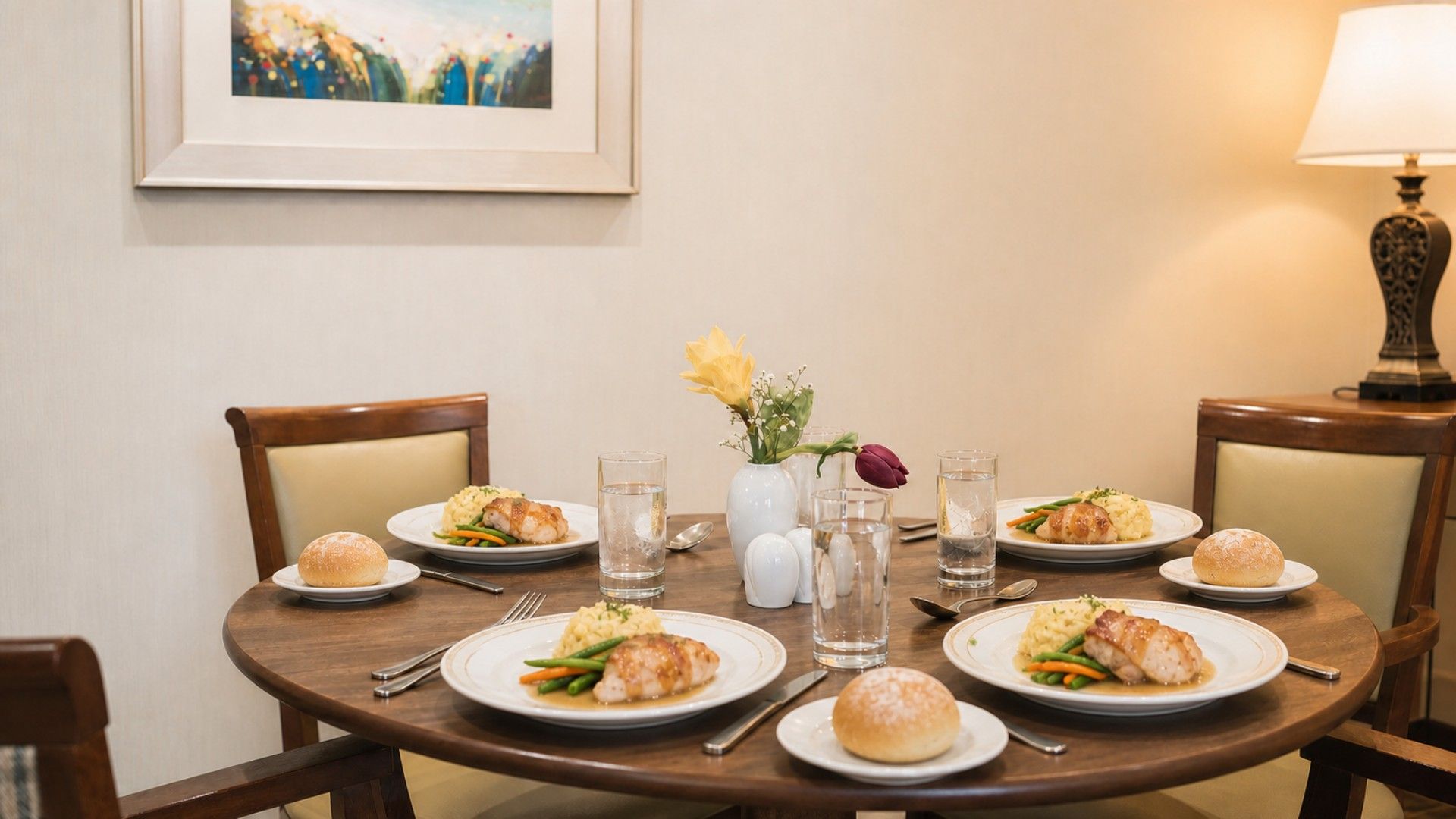
In my house, like millions of households the world over, food is the glue that binds my family together. Mealtimes are significant. They’re a time to talk, a time of laughter and community. They’re the centre of celebrations and special occasions. At times, they can be quiet; a space in the day to decompress and simply take a moment away from the world. There’s nothing better than a family gathering around a battered old dining table, with a great meal being shared and enjoyed.
What I feed my family really matters to me. As someone living with a serious heart condition, diet is extremely important. I want the food I serve, and eat, to be healthy, nourishing, good for me, and ethically sourced. I also need it to be affordable and within my very strict budget, which very quickly whittles away options and choices. For all I would love to be able to buy free-range organic chicken as standard, they are laughably beyond my price range. Compromises have to be made and the reality is I can’t afford too many ethics when it comes to the food on my plate.
I’ll try to buy the best produce I can afford, but it’s not always as high-quality as I would like. I’d love to be able to support the fantastic independent butchers and greengrocers along my high street, but they can’t compete with supermarket prices and I can’t afford to shop there. I would like my food to be local—I live in Hampshire, yet I can’t afford vegetables from the closest farm, so off to the supermarket I go.
It upsets me when I see the cheapest meat in the fridges of the supermarket has often been imported. When I see it for sale, sitting smugly within my budget, it feels as though I’m being punished for being poor. The statement ‘this is all you deserve’ is left unsaid, but it’s heard clearly all the same. I’m being told, silently, that I can’t afford to care about the meat on my plate and I don’t have enough money to be ethical. It’s the same down the vegetable aisle, but for the life of me I can’t work out how it’s cheaper to buy broccoli grown in Morocco, than it is to buy it from seven miles up the road.
So, I’m forced to settle and compromise where I must. I wish I could force the supermarkets to pay the farmers better, but I have little control over that. Compromise doesn’t necessarily mean buying the lowest quality produce. It can mean consuming less, or going without certain products. As my budget gets ever tighter, the importance of food hasn’t diminished. If anything, it’s become all the more important as affordability has affected my options and my choices have become smaller.
A roast dinner has become something precious, because I will only buy British meat. It’s savoured and enjoyed by everyone and, strangely, seems to be respected in a way it maybe wasn’t, before it became rare. At the very least, I’ve served cheaper-to-make lentil curries that have been consumed with as much gusto as a steak.
As my children have grown up and moved out, or left for university, mealtimes have taken on a special significance.
They’re no longer commonplace, but special. I look forward to having them all sat around the kitchen table again, listening to their chatter and rolling my eyes at their antics. It gives me comfort that I’m able to still have some control over what I put on the plates in front of us, and the food I’m feeding everyone is healthy, tasty, and as ethically sourced as I am able to afford and, most importantly, enjoyed by everyone without leaving a nasty taste in our mouths.
Share:
You may also be interested in...