
The Source
Beautiful writing about delicious British food. Articles, comments and musings from our contributors.

Before C-virus forced us into lockdown, our food shopping trends were often spontaneous. Many of us would take various trips to the shops each week: perhaps a large food shop and then ad hoc top ups on the way home from work. Add in takeaways whenever we felt like it, leading to throwing out the wasted food at the end of the week.
In the last six months, we’ve had to think more carefully about our food purchases, with fewer trips to the supermarkets, perhaps more use of smaller local shops, and cooking creatively with what we had in. Recent research by wrap.org.uk has identified some surprisingly positive results in our food shopping and kitchen habits over this time.
Their reports in Spring and Summer 2020 identified new ‘Food-Smart’ trends that showed a real revival in good food management skills – home economics as our grandparents would have known it. It was apparent we all rushed to buy flour so we could bake at home, but we were also cooking more creatively and ‘from scratch’, using up leftovers, reducing food waste, planning our shopping trips, and organising our food storage better.
At the supermarkets, we bought less convenience foods. Ready-meal sales dropped, as did short shelf-life foods like bagged salads. Instead we bought robust longer-life veg like carrots, radish and cabbage.
Ruth Gibbons, UK liaison for the International Federation of Home Economics (www.ifhe.org.uk) has thoughts on this resurgence of food and home management behaviour.
“In the UK, domestic science or home economics at school has given way in recent years to food technology. A generation has learnt about the design of a meal as product, rather than food preparation skills and planning. This is not the case in other countries - Ireland and Australia still have a vibrant Home Economics scene, as does Germany. Most notably, it’s the developing countries that have a huge membership of the Federation. Where there are limited supplies, home economics skills are a valuable management tool of resources.”
So perhaps a lesson for us all in living more sustainably in the future? Ruth agrees, “My hope for the future, is that lockdown will have re-generated our smaller communities, encouraging people to shop locally, buying stocks from sources close to them – knowing where their food comes from.”
Maybe the future of learning basic food management skills is through the media? Chris Bavin, author and TV presenter of BBC’s Eat Well for Less programme, helps families struggling with shopping economically and scratch-cooking. He would encourage people to have more confidence in the kitchen.
“We need to be kinder to ourselves and persevere in the kitchen. You don’t need to be a top chef to be able to pull together tasty food. With regard to food storage we can definitely be better at using our freezers. Milk, cheese and bread: these are the key foods which are often thrown away, yet they can all be frozen. Use your freezer properly, stocking it well and not like a museum.”
With experience of being a greengrocer and wholesaler himself, Chris is also passionate about buying from local producers and eating seasonally. He sees the difference that independent retailers have made over lockdown. They are much better placed to be flexible and in touch with their customer.
“We’ve seen how little it took to disrupt our supplies, with the empty shelves at the start of lockdown. We need to have a Plan B - if it wasn’t for the independent sector we would have been caught out. Without our high street and independent shops, what would we have done? And this could easily happen again post-Brexit. We need to look inwardly at our own supply chains within the UK. These are the people that will provide support. They looked after us when we needed them and we should be grateful and support them in return.”
Nationwide, each community has its own new Food Heroes - the companies who worked tirelessly over lockdown, providing box schemes and deliveries when people couldn’t get out to the shops. We have responded by using the local shops more and creating a better circular economy.
Kathryn Nicholson, of Nicholsons Butchers, Whitley Bay and a member of the Q Guild of Butchers knows this only too well. They were snowed under at the start of lockdown and she spent over 13 hours on the phone one day, taking orders from worried customers who wanted to be sure they could get what they needed.
Kathryn explained, “For us, there were really no issues with getting supplies: we have extremely good relationships with all our suppliers, and we were always able to fulfil the orders. We may have had to limit numbers per customer, but no one went without. I felt very supported by our local producers and we have good understandings with them all – I’m very proud of how we coped and what we achieved.
Since lockdown eased, business remains good – approx. 8% up on last year. We’ve had to respond by changing our hours and shop times, ensuring staff get proper breaks each week – plus we needed the time to simply restock shelves.”
Did she see customers wanting to cook more creatively? “For the first six weeks of lockdown, customers were definitely cooking more and they’ve always come to us for cooking and recipe advice. But then they returned to our prepared products, looking for new inspiration. We still have our loyal, elderly customers, who pop by Monday-Thursday, but the trend we’ve seen is that the under 45’s want speed and convenience and shop nearer the weekend. We’ve started a click and collect service and online ordering is perfect for them. Our next challenge will be facilitating the Christmas rush, when we’re limited to just 2 customers in the shop at one time. Hopefully our new online ordering systems will manage that.
I really believe that overall it has made us a better business – we are more reactive in our approach and I feel buoyant for the future - investing in the online technology will help bring in the younger generation.”
It’s great that the UK’s ‘Nation of Shopkeepers’ is so agile and flexible to react quickly. But Lockdown showed us that our modern, convenient supply chains can be fragile. Buying from British farmers and producers can cut out the middle man and shorten the chain. Even as we re-fill our diaries with appointments and busy-ness, if we can retain just a few Food-Smart habits, we can live more sustainably, support our local economy and the British food and farming industry. If there is a like-for-like choice of products on offer, whether it’s apples, plums, chicken or meat, choose the ones labelled ‘British’, and be proud of making a difference.
- Anne Harnan is a home economist and food consultant. She is an ambassador for Love British Food www.harnan.co.uk
New Paragraph
Share:
You may also be interested in...
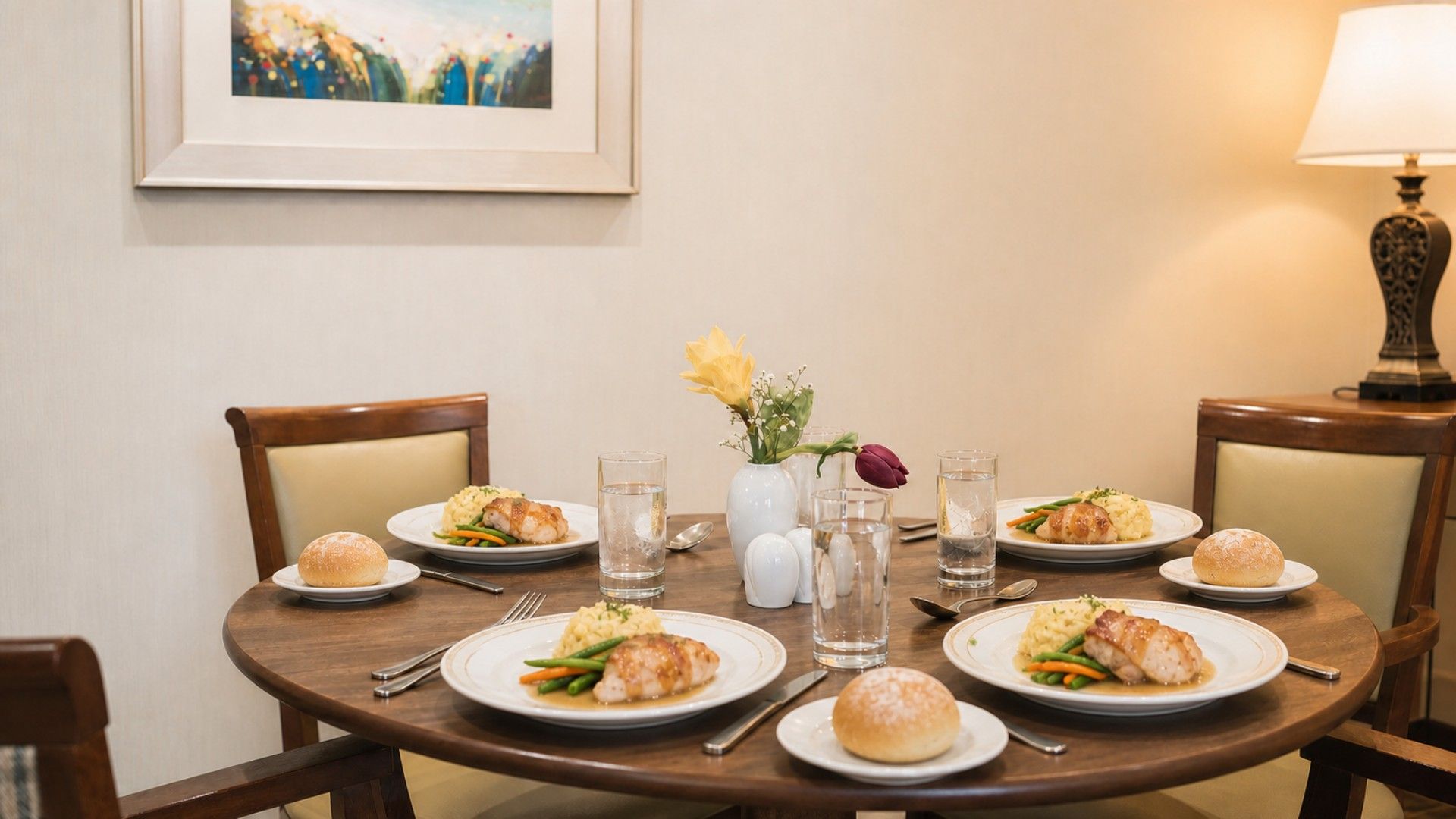
From Perthshire berries to hydration jellies – Meallmore makes summer food count
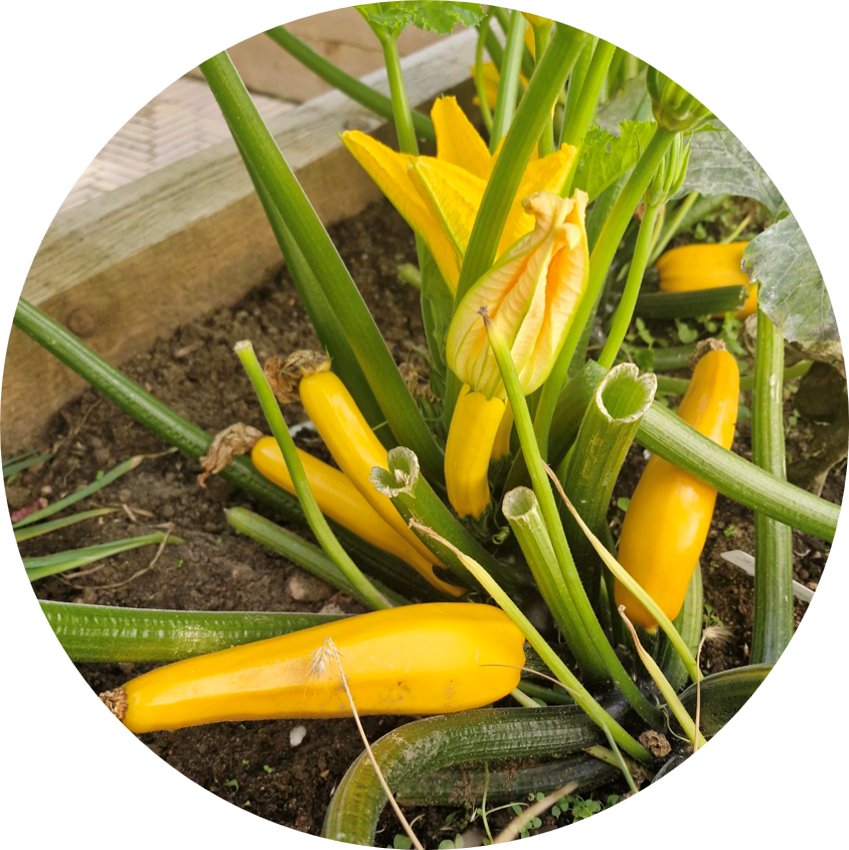
From allotment-grown veg to a temporary kitchen – MKUH keeps fresh food on the menu
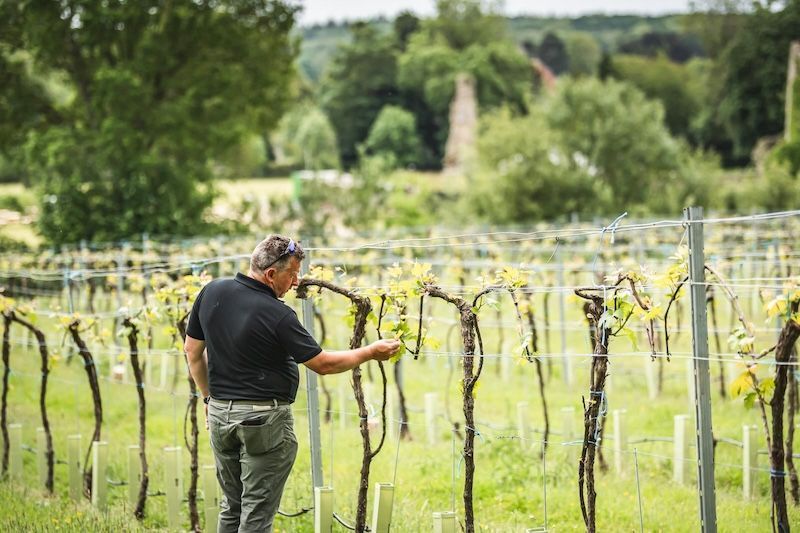
"Consuming food in this day and age isn’t solely going to your local store and buying that piece of food"
Our lead assurance partner, Red Tractor, explores how public procurement can support British farmers and producers while giving schools greater confidence in the food they serve.
20 years, 20% growth – why trusted suppliers are the backbone of Local Food Links
Celebration and change - how Local Food Links is marking 20 years while preparing for a new school food landscape
From spring lamb to fresh garden mint - Meallmore bring seasonal changes to care home dining
From farm-fresh veg to sunshine salads - MKUH brings spring onto patient and staff plates







