

I have to confess that I haven’t always liked celery. Yet I have many emotional memories attached to this misunderstood vegetable.
For instance, I adored the smell of celery on my Granny’s hands and have been known to chop a few chunks just to evoke the memory of her. In my first ever Home Economics lesson I was taught to make celery soup. And the first time I stayed at my school friend’s house, her mother served spag bol with slices of celery incorporated into the mince - I was not impressed.
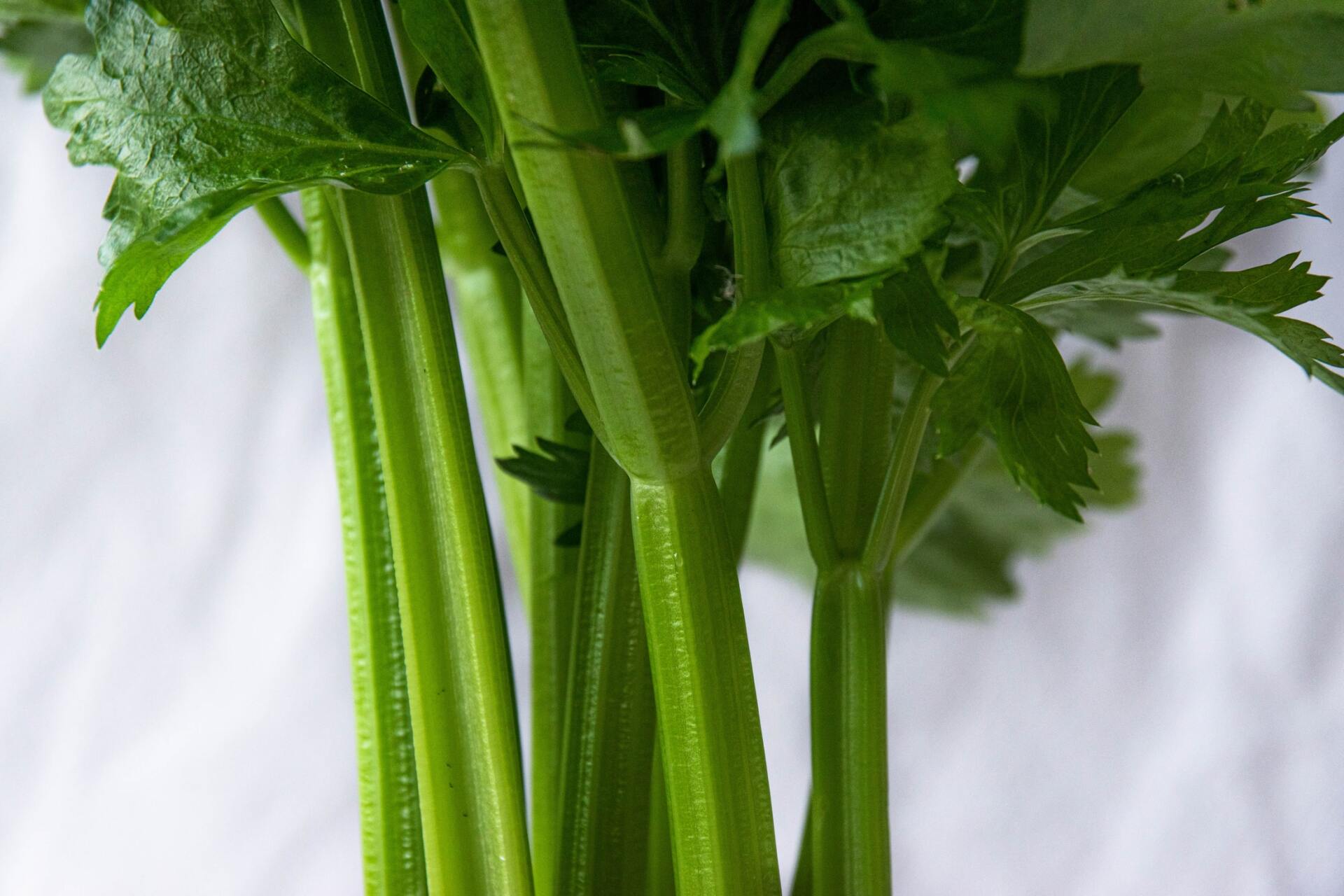
I became a celery convert in my late teens when I was ‘reliably’ informed that celery contained negative calories. That I could eat as much as I liked of the stuff and I would lose weight; that it would burn more calories to consume than to intake. Having just been described as a Michelin man by the boy I fancied, this information was like finding the golden ticket. Stalk after stalk I chomped through until I realised there was no scientific foundation to this whatsoever. Nor to the concept that it is an aphrodisiac or even a hangover cure. Although it has to be said, it is a seriously healthy snack with two stalks containing just 25 calories. And a friend has recently used it in a soup with tomatoes, a cabbage and an onion and claims it is the sole cause of her losing several pounds.
By my twenties, celery was firmly established in my top three of favourite British vegetables. It is awesome stuff. I use it as a base for home-made tomato sauce – I sweat it with onions before adding a couple of tins of tomatoes and simmer it for ages. Despite my earlier dismissal of celery in mince, it now features in every cottage pie, burger and bolognese I make. I just cut it a little smaller. I use it when cooking lentils. I regularly make celery soup – often just celery, garlic, and stock if I want something speedy. It is a foundation ingredient in my savoury pie-fillings, stews, curries and casseroles. Known celery-haters have happily consumed the vegetable at my table in blissful ignorance of its presence. That is another reason it is so fantastic – depending on how you cut and cook it, it can become the dominant flavour or not. It doesn’t need to take over.
When I roast meat, celery is integral. I snap off some sticks and lie them at the bottom of the roasting pan and put my chicken, pheasant, venison, beef, even pork on top. The smell that emanates from the oven is sensational and the flavour the celery adds is just fantastic. Who needs salt? Still not convinced? Then have a look at the list of ingredients on your tomato ketchup bottle.
I once described beetroot as the mother-in-law of the vegetable world. To create a similar analogy with celery, I would compare it with one of those friends who you have known for decades - always in the background, always a bit annoying and never really A-list status. Only you and your life would be half of what it is without them. Trust me, a stew without celery - however irritating it is- is a fraction of the dish it could be, regardless of how many glugs of wine or ale are thrown in. And no, no amount of bouquet garni can compensate for its absence either.
Hopefully I have convinced you, if you needed to be, of the flavour and health benefits of celery. But in case further persuasion is necessary, consider the pedigree of British celery. When picturing this original and characterful vegetable please don’t think of pale, insipid and limp stalks that have been left too long in a glass on the kitchen side - a well-known and let’s face it, rather pathetic attempt to replace or distract the desire for biscuits. Think of crunchy, robust, green celery, which originated from the Fens. Fenland celery, recently revived in Cambridgeshire, has the coveted protected geographical indication (PGI) status.
Regarded as a medicinal plant in the Middle Ages, treating ailments such as anxiety, insomnia, rheumatism, gout, toothache and arthritis, celery began to be enjoyed as a vegetable in its own right in the fifteenth century.
It wasn’t until Victorian times when Fenland celery's popularity really began to soar. Harvested in September/October it became a traditional salad vegetable to accompany the cheese board served at the end of meals over the Christmas period. The season for Fenland winter celery was by its nature short and unpredictable, and people began to want more of it - for longer. Around 50 years ago other varieties were introduced to the UK, a paler celery available from July. Thirty years on, British consumers began to demand greener-looking celery all year round. And, ironically, it was these greener varieties, related to the old Fenland ones, which were selected by retailers.
So if you have always considered yourself a celery-loather why not push yourself this weekend and give it another go. Just make sure it is good British celery and you will be converted.
You will find three main types of celery product for sale:
Whole head:
coarse outer stalks and leaf tops removed. Use the outer stems for cooking and the more tender, inner stalks for eating raw.
Hearts:
more of the outer stalks have been removed, so there is less waste.
Sticks:
celery sticks, pre-washed and ready to eat.
Share:
You may also be interested in...

From Perthshire berries to hydration jellies – Meallmore makes summer food count
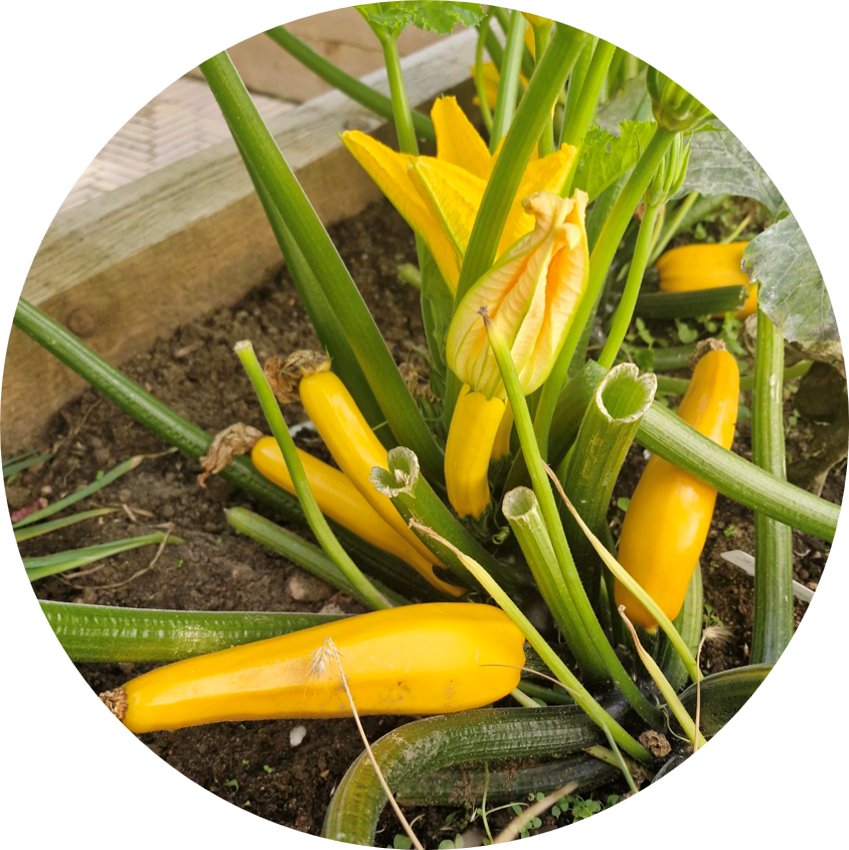
From allotment-grown veg to a temporary kitchen – MKUH keeps fresh food on the menu

"Consuming food in this day and age isn’t solely going to your local store and buying that piece of food"
Our lead assurance partner, Red Tractor, explores how public procurement can support British farmers and producers while giving schools greater confidence in the food they serve.

20 years, 20% growth – why trusted suppliers are the backbone of Local Food Links

Celebration and change - how Local Food Links is marking 20 years while preparing for a new school food landscape

From spring lamb to fresh garden mint - Meallmore bring seasonal changes to care home dining
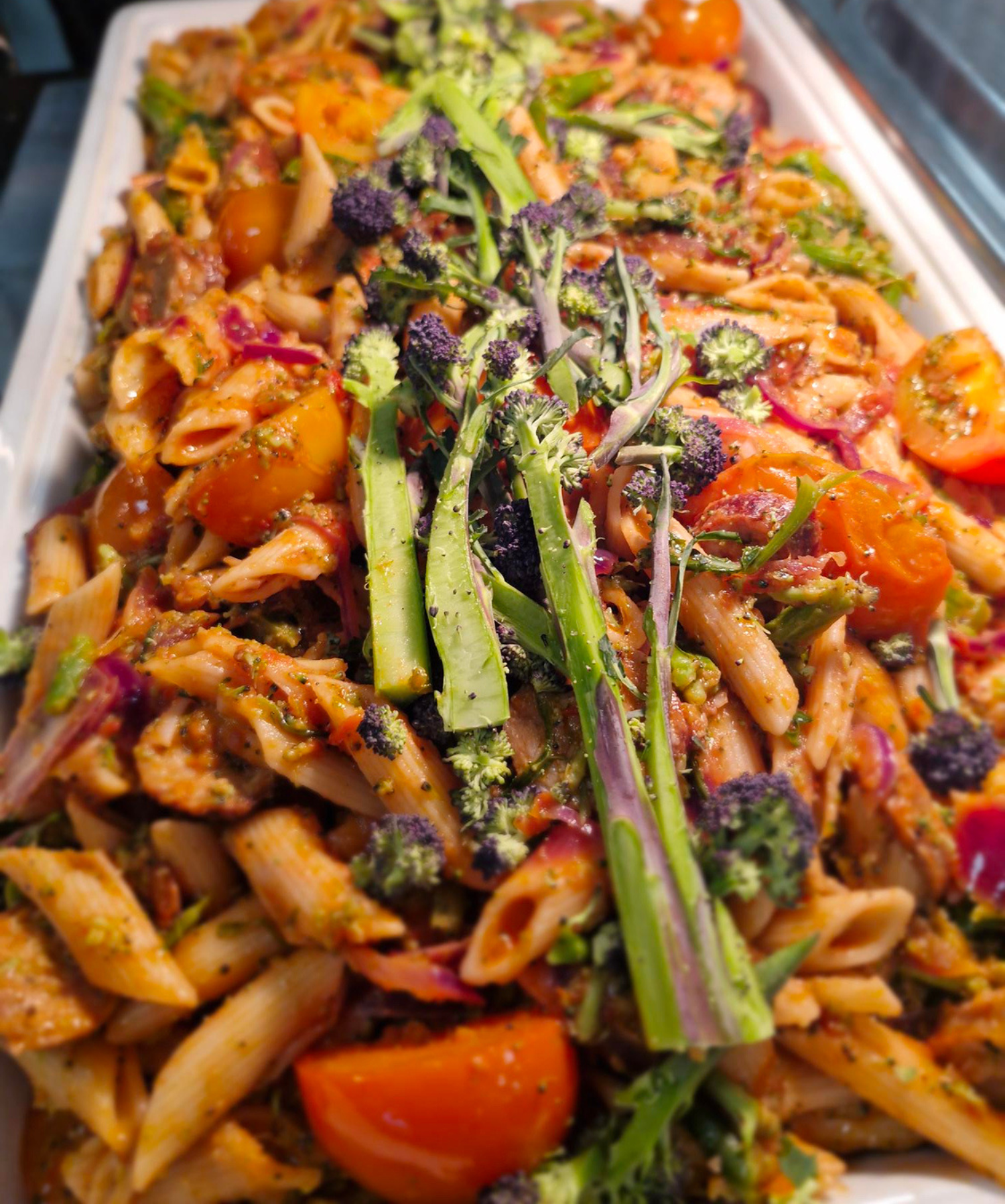
From farm-fresh veg to sunshine salads - MKUH brings spring onto patient and staff plates







