
The Source
Beautiful writing about delicious British food. Articles, comments and musings from our contributors.
This is a story of Britain’s beer glory namely cask conditioned ale, aka real ale. If you have never consumed that format of beer then you won’t appreciate why I am about to rhapsodise in prose. Cask ale is beer is in its natural state, how nature intended it to be - unpasteurised, unfiltered, not artificially carbonated, and full of flavour.
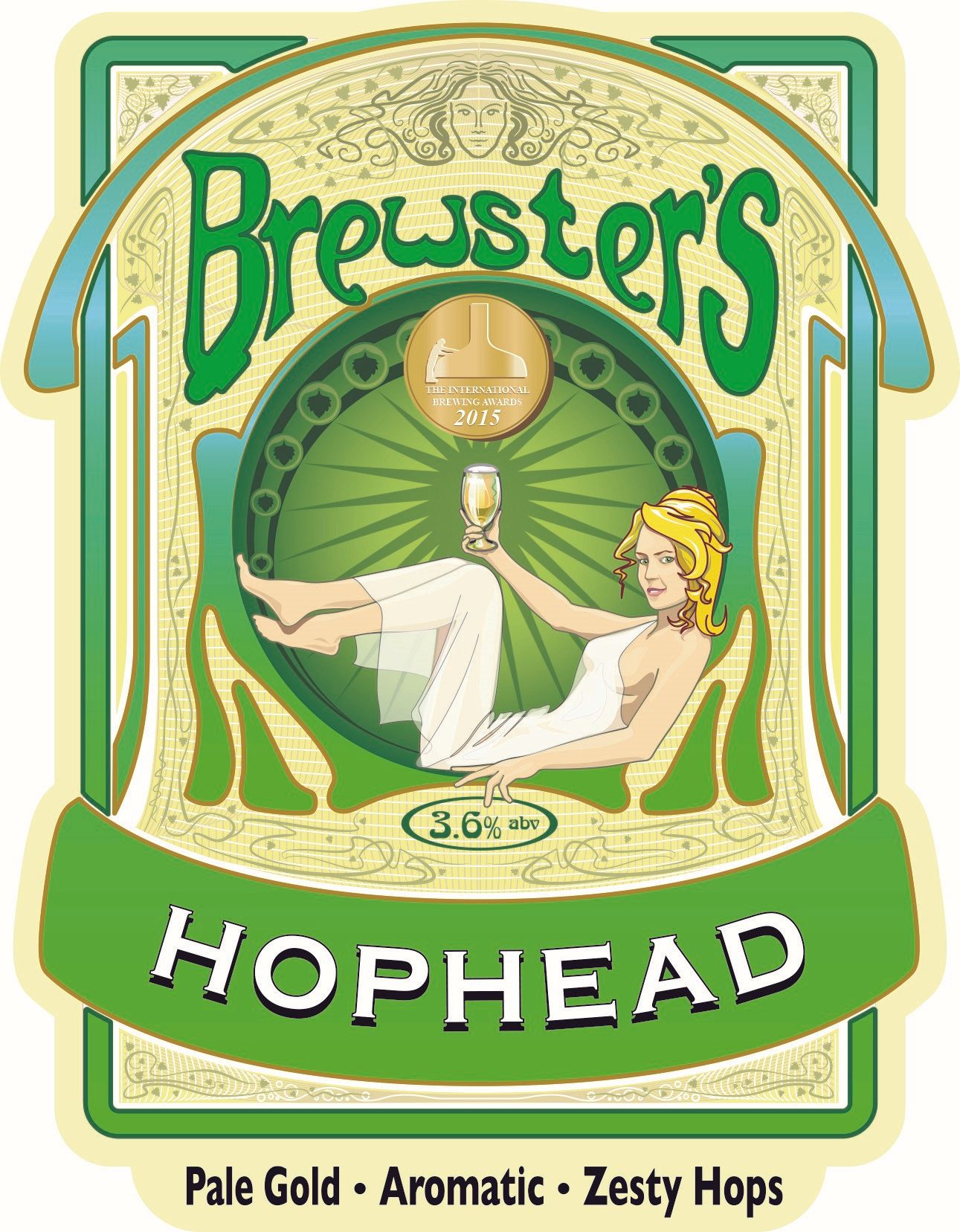
When you walk up to a pub bar and see an array of wooden posts which resemble balustrades, those are the tools by which the server will hand-pump beer through a plastic pipe from the cask in the cellar into the glass. It’s easy to spot a dedicated cask ale drinker because they have evolved a technique that I call the Real Ale Register whereby they approach the bar with intense concentration as their eyes scan the hand-pumps in super-quick time and their brain makes lightning speed computations about what they are in the mood for, whether they have had a particular brand before, who owns it, is it a local brewery, does it have a good reputation, has it won awards. That’s why colourful pump clips such as Hop Head by Brewster’s Brewing Co (pictured) are designed to catch the eye as well as to market the beer.
Watching real ale being poured is theatre as the person serving it eases the pump back and forth several times and beer sloshes, without spilling, into the glass which is held at an angle and slowly tilted upright as the head forms and a perfectly pulled pint is presented to the customer. In some areas of the country (especially the north) the beer will have a voluptuous firm foam head enhanced by a sparkler on the pump spout. It is a nozzle through which the beer is forced thereby giving it a creamy texture. In parts of the south where a loose, frothier head is the tradition, if it is bigger than a few millimetres, and the customer is a wag, they may jokingly comment that they ordered beer not ice-cream and ask for a chocolate flake to be stuck in the top.
To prepare real ale for sale takes time and skill. Unlike pasteurised beer which is ready to serve the moment it has been delivered to the pub, real ale needs to go through several days of complicated preparation where the cellar manager encourages a secondary fermentation in the beer. This process is called conditioning and it entails the cask sitting for 1-2 days until the beer reaches the optimum temperature (between 11 and 13 degrees centigrade.) The cellar must be meticulously clean because real ale is living food - the beer contains yeast - and it breathes in the immediate atmosphere. If the thought of yeast is off-putting, remember that live yoghurt and non-pasteurized cheese contain micro-flora - one reason they taste so good!
The next stage is tapping and venting the cask by hammering a wooden peg called a spile through a membrane seal. This rouses the yeast and it starts to ferment the beer again, creating carbon dioxide which adds a gentle sparkle. The beer is left to condition for several days and during that time the flavours and character develop fully. There is no rule on the length of time because it depends on the brand. It could be one day, or up to six days. I once knew a publican who talked lovingly to the beer to encourage it during this conditioning period. It was always in superb condition, after all she worked in a caring profession.
Only when the CAT test checking for Clarity, Aroma and Taste has been performed and the publican considers it has reached perfection will they approve the beer as ready to serve. At this point the beer is fresh and luscious but like any living food, it will deteriorate quickly. As beer is pumped out of the cask it is replaced by air, and oxygen is the enemy, oxidising the beer and within days turning it to vinegar. Beer is for drinking not putting on chips!
Cask conditioned ale is almost exclusively a British format of serving beer and with few exceptions it can only be found in the pub. Imagine these pub scenarios – Sunday roast, a country walk, reading the newspaper, winning the pub quiz, meeting friends. All of them improved when a glass of real ale is also in the picture.
In Britain the guardians of the good pint are inspectors of an organisation called Cask Marque who visit pubs to assess beer quality. If it passes all the tests the pub is awarded accreditation in the form of a badge or plaque which is the beer equivalent of the Good Housekeeping Seal of Approval. If you see the Cask Marque logo displayed in a pub you know it has well-kept beer.
British Food & Drink Fortnight 2020 coincides partially with Cask Ale Week (September 24th to October 4th) when real ale is celebrated. Knowing the complicated procedure involved in coaxing real ale to reveal its splendour is reason enough to revere it, but just wait until you taste it!
++++++
Jane Peyton is Love British Food’s Drinks Ambassador. She is an accredited beer sommelier, instigator of Beer Day Britain (the UK’s national beer day), and founder of the School of Booze. Her latest book ‘The Philosophy of Gin’ has been published. Signed copies available here: https://www.jane-peyton.com/shop/the-philosophy-of-gin-by-jane-peyton/
Share:
You may also be interested in...
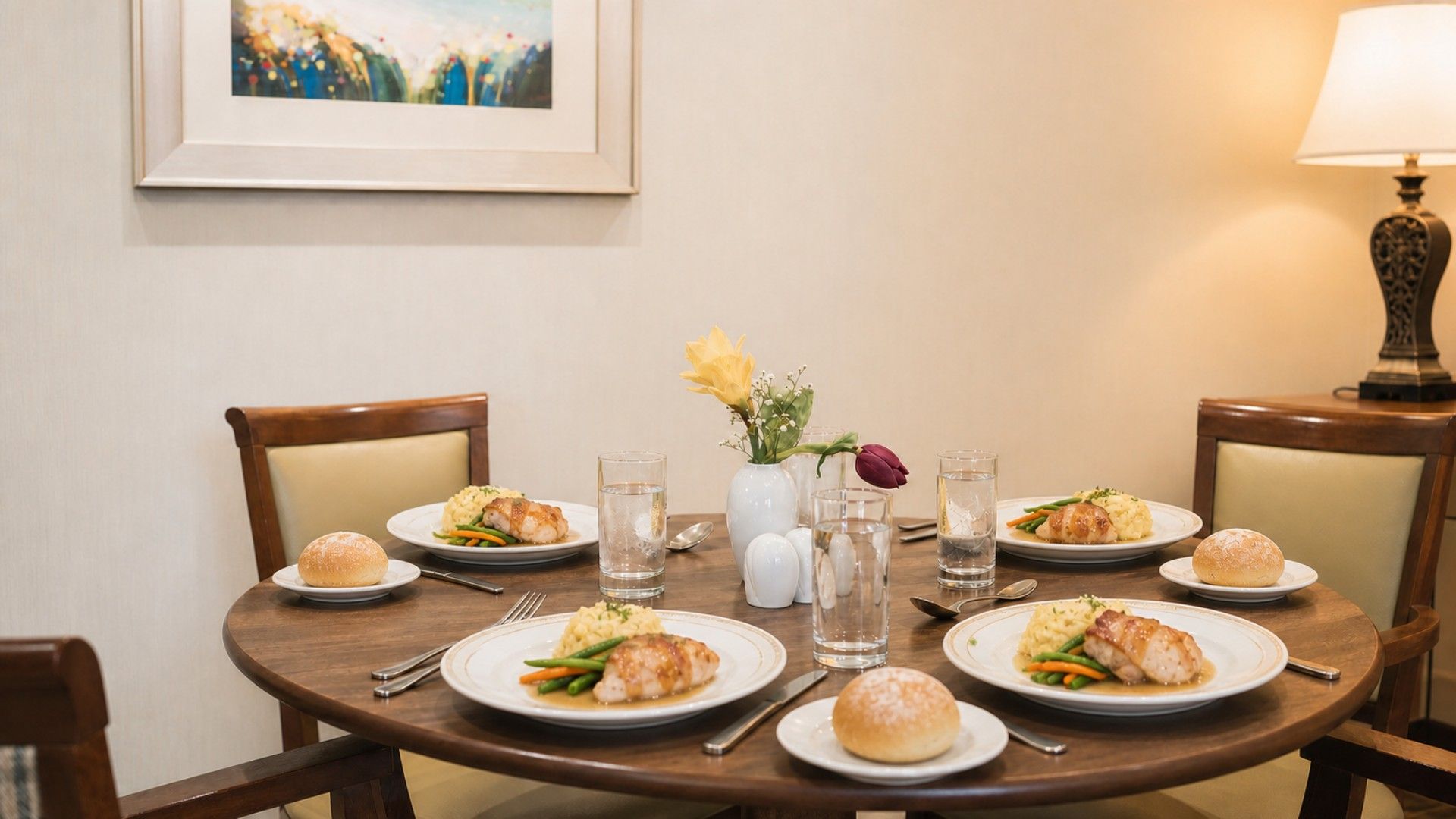
From Perthshire berries to hydration jellies – Meallmore makes summer food count
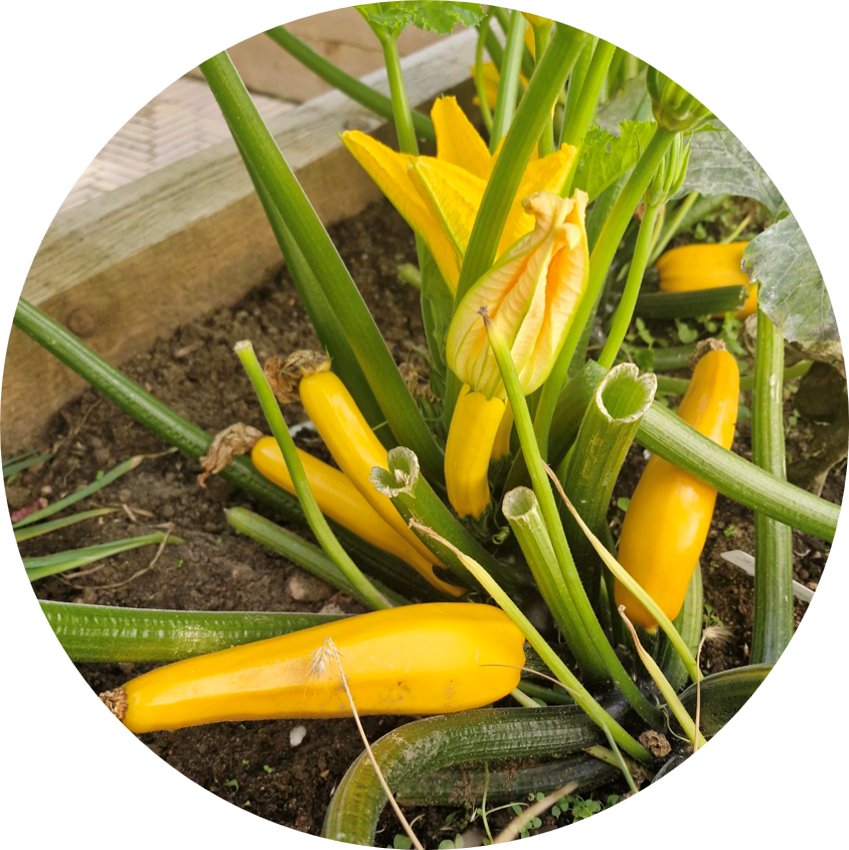
From allotment-grown veg to a temporary kitchen – MKUH keeps fresh food on the menu
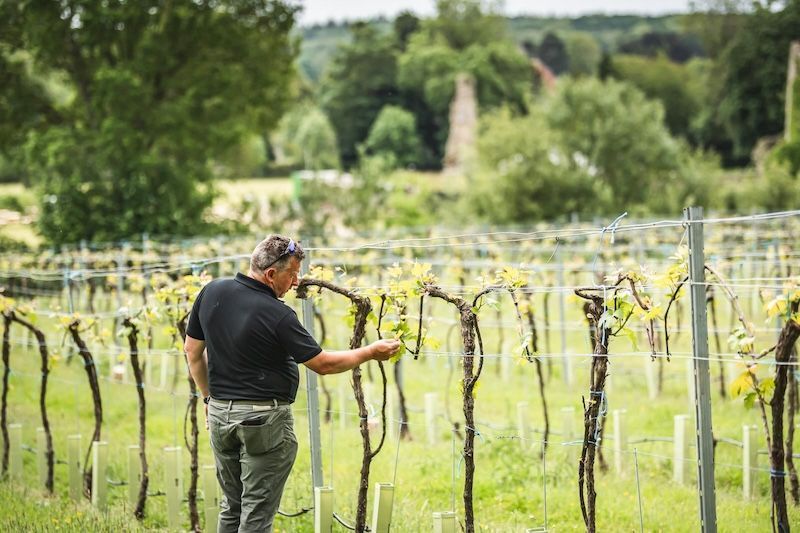
"Consuming food in this day and age isn’t solely going to your local store and buying that piece of food"
Our lead assurance partner, Red Tractor, explores how public procurement can support British farmers and producers while giving schools greater confidence in the food they serve.

20 years, 20% growth – why trusted suppliers are the backbone of Local Food Links

Celebration and change - how Local Food Links is marking 20 years while preparing for a new school food landscape

From spring lamb to fresh garden mint - Meallmore bring seasonal changes to care home dining
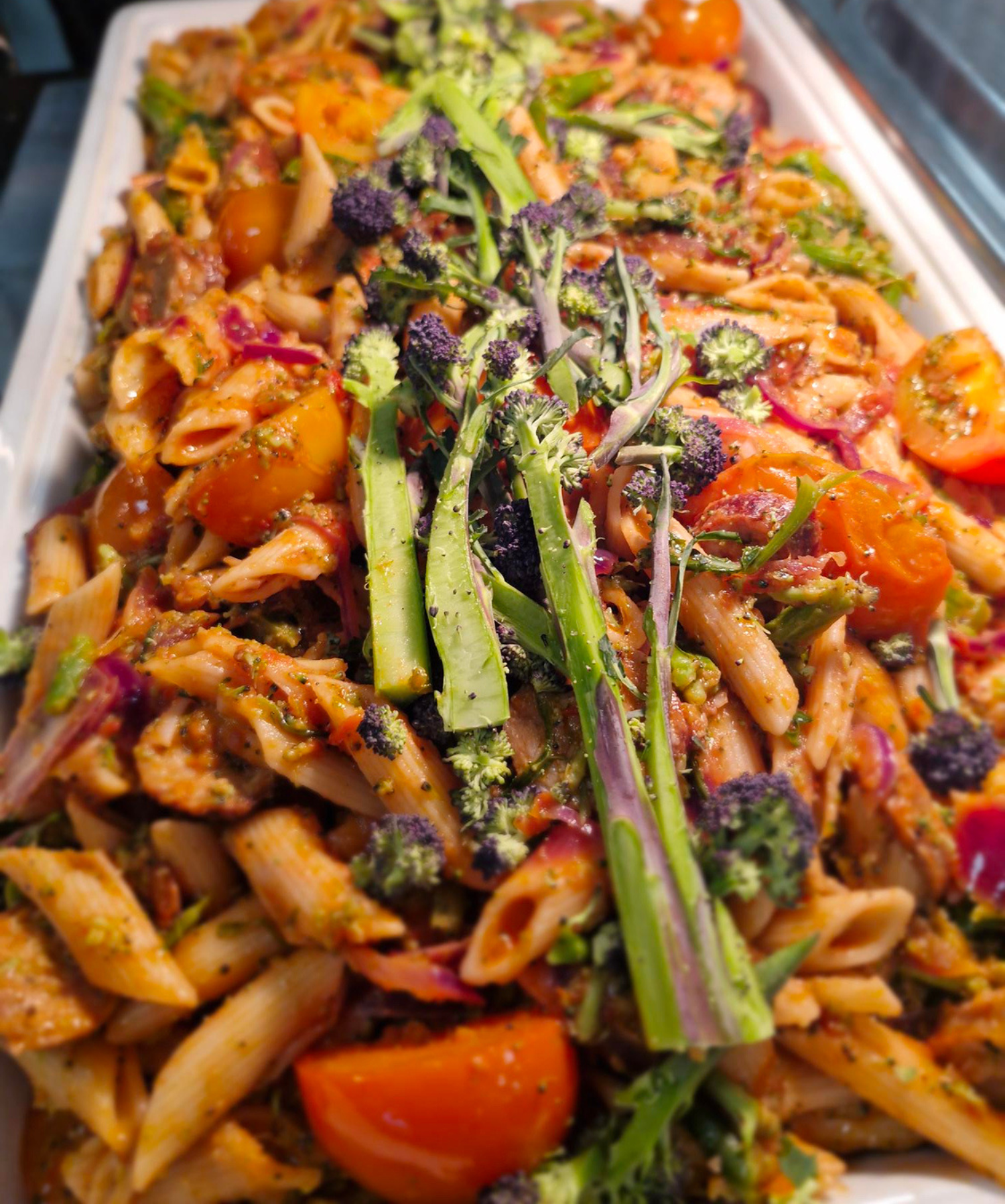
From farm-fresh veg to sunshine salads - MKUH brings spring onto patient and staff plates







