Essay Collection
The role of British food in society now
Food is never just food. To mark Love British Food’s 25th anniversary, Love British Food and Future Countryside have commissioned a collection of essays exploring the role of food in Britain today. Bringing together diverse perspectives from across the food supply chain and beyond, the collection provides a snapshot of British food and society in 2026 – designed to inspire fresh thinking, worthwhile debate and positive action for the future.
A good food nation: learning from Scotland
Written by Jayne Jones, NHS Greater Glasgow and Clyde
There has been much to celebrate in British food over the past 25 years, and If Britain wants to consider where the food debate needs to go next, it should look north. Not because Scotland has solved the challenges in its food system; it has not. But because Scotland, with its Good Food Nation duties, has gone further than most by treating food not simply as a commodity, or a matter of personal choice, but as part of a wider system that links health, education, environment, local economies and national resilience.
For too long, food policy across the UK has been fragmented. We discuss farming in one room, public health in another, public procurement somewhere else, and climate often only as an afterthought. The result is exactly what you would expect: short-term decisions, contradictory incentives, and a food system that too often delivers poor returns for producers and poor outcomes for citizens. Scotland’s real contribution is that it has begun to bring those issues into one conversation and has built it into law.
That matters because the question is not simply whether Scotland has stronger local supply chains. In many places, it does. The deeper question is why those supply chains matter, especially when providing essential public food. The answer is not nostalgia, protectionism or branding. It is value.
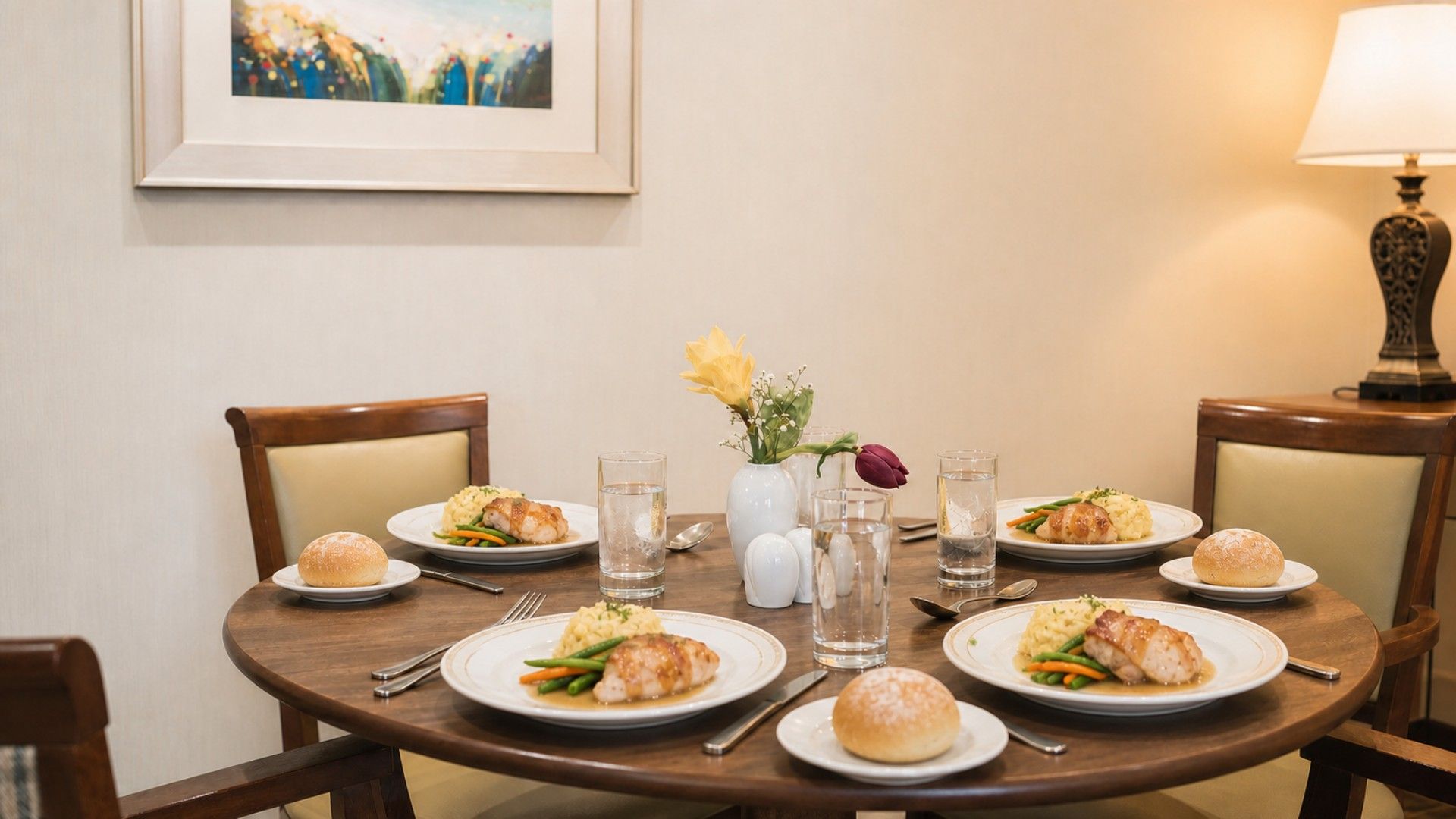
School food is one of the clearest examples. When public food is sourced with care, it does more than fill a plate. It can support local farmers, processors and distributors. It can keep more public money circulating in local economies. It can create stable demand that allows smaller producers to invest. It can shorten supply chains, improve traceability and strengthen resilience in the face of shocks. And, crucially, it can shape what children learn to value about food: freshness, seasonality, provenance and care.
In Scotland, these links have been taken seriously. Local authority caterers, producers and procurement bodies have worked hard to build models that make local and Scottish sourcing more achievable in school meals. That has not happened by accident. It has required practical collaboration: better contract design, support for smaller suppliers, and a willingness to define public value more broadly than the lowest unit price.
This is where Scotland has something important to share with the rest of the UK. Too often, we still talk about “value for money” as though it means only the cheapest immediate cost. But cheap food is often very expensive. We just hide the bill elsewhere: in diet-related ill health, environmental damage, fragile supply chains, low farm incomes and the hollowing out of local food economies. If a domestic supplier costs slightly more but contributes to local employment, stronger food security, higher welfare, lower environmental harm, better traceability and better meals for children, is that really a higher cost? Or is it simply a more honest account of value?
That is the debate we need to have. Price matters, of course. Public budgets are tight, and no one working in public procurement needs to be lectured about financial pressure. But if price becomes the only metric, we lock ourselves into a false economy. Procurement then stops being a strategic tool and becomes a race to the bottom.
Scotland’s strength has been to resist that reduction. Through its wider Good Food Nation approach, and through procurement frameworks that encourage social, economic and environmental outcomes to be weighed alongside price, it has created more room for food to be treated as part of nation-building rather than just contract management.
None of this means Scotland has got it right in any final sense. There are still gaps, inconsistencies and real challenges of affordability, infrastructure and scale. Local supply chains do not build themselves, and they cannot be sustained on warm words alone. They need investment, coordination, skills, logistics and long-term policy commitment. But Scotland has made a more serious start than many others in recognising that resilient food systems are built deliberately.
Others can look to Scotland, not for a perfect template, but for a more mature question: what do we want public food to do? If the answer is simply to be cheap, we will continue to get what cheapness buys us. But if the answer is to nourish children well, strengthen communities, support producers, build resilience and reflect our values, then value has to mean more than price.
That is the lesson Scotland offers at this moment: not perfection or complacency but leadership in asking the right questions.
Scotland is trying to do something this country desperately needs: move food out of the margins and into the centre of public life, where it belongs.
And in the next quarter-century of British food, that may prove to be the boldest leadership of all.
Share:
You may also be interested in...