By Alexia Robinson
•
March 16, 2026
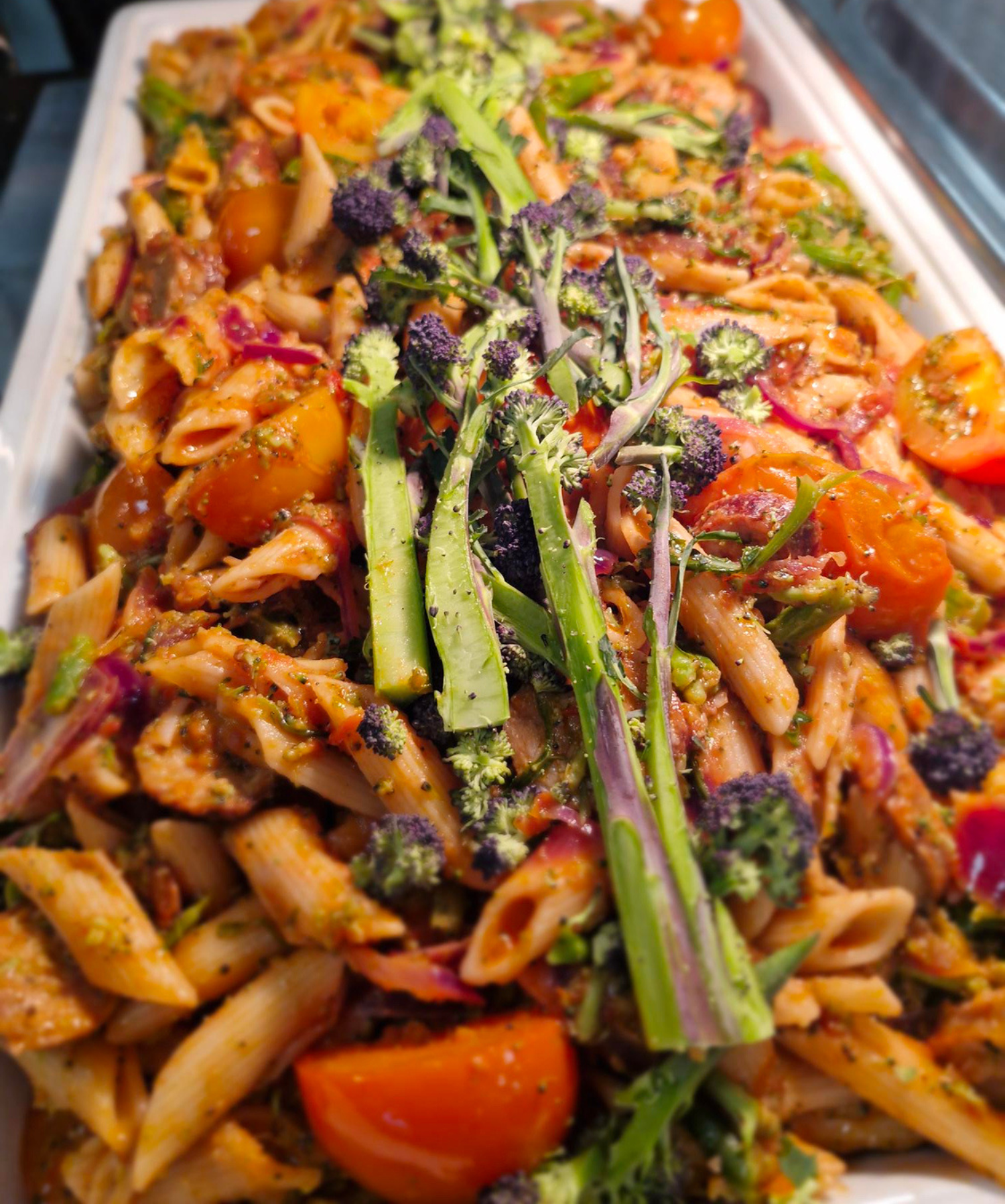
Inside Britain’s Sourcing Story winter edition – Milton Keynes University Hospital From field to ward – putting British produce at the heart of winter recovery Love British Food caught up with Frank Fiore, catering manager at Milton Keynes University Hospital (MKUH) to learn more about his successful seasonal winter menu and the sourcing strategy behind it. Patient meals at MKUH are delivered plated and chilled before being cooked at ward level. While the hospital does not operate a large-scale fresh cook patient kitchen, Frank believes the model offers consistency, something that is vital in a hospital setting. “We’re often meeting complex dietary requirements, so consistency is fundamental,” he explains. “We use two different suppliers. Steamplicity provides our fresh, chilled meals, and Maple fine foods who supply our high-quality textured and modified meals. I’m pleased to say our patient feedback is always very good.” Ward-based catering teams interact daily with patients, taking orders electronically, serving meals and drinks, and ensuring individual nutritional needs are met. Alongside this constant dialogue, patients can provide feedback via QR codes printed on menus or through paper questionnaires. “It’s really important that we keep that feedback loop open,” Frank says. “Food is an integral part of the patient journey.” Winter warmers One of the biggest developments this winter has been the installation of new catering equipment, enabling the team to introduce freshly made soups using British-grown seasonal produce from local fruit and vegetable merchant AB Fruits. “Our approach is really flexible,” Frank explains. “The huge benefit is that I can change what soup we’re making based on the ingredients available that day. That’s one of the great things about sourcing locally.” Previously, patient soups were bought in. Now, by blending supplied meals with fresh in- house production, Frank has been able to inject a new level of quality and seasonality into the offering. “I’ve introduced a blend of supplied and in-house catering for patients because injecting fresh cooking into our offer is really important.” Over the winter months, soups have included leek and potato, country vegetable, carrot and coriander, mixed bean and pasta, mushroom and cream of tomato – all made using seasonal British vegetables. Frank says this is only the beginning. Plans are underway to introduce freshly made custard and porridge, with close involvement from the hospital’s dietetic team to ensure recipes meet fortification and nutritional standards. “Meeting patients’ nutritional needs is key,” he says. “Our dietitians are involved in recipe development, particularly where fortification is required.” Food for the body and mind Meals served in a hospital environment carry emotional weight as well as nutritional importance. Frank is a firm believer in offering traditional comfort dishes such as cottage pie, food that feels familiar and reassuring. “Food can be a positive trigger, and we want patients to look forward to mealtimes when they’re in hospital,” he says. “The number of times I’ve heard someone visit a patient and ask, ‘What did the doctor say?’ and then immediately follow it with, ‘What did you eat today?’ It happens all the time.” For Frank, food is more than sustenance. “It’s essential that patients eat healthy, nutritious food. If it looks good and tastes good, they’re more inclined to eat it. Food is one of the best natural medicines we have – especially when you’re in hospital.” Fuelling NHS staff Hard-working hospital staff enjoy freshly cooked meals prepared from scratch on site in the staff restaurant. Frank delivers regular themed menus that showcase flavours from around the world using locally sourced ingredients. “We have a traditional mains counter where we would serve something like a beef casserole in the winter. And then we have a street food counter showcasing global flavours. We regularly feature an Indian day, an African inspired day, an Italian day, and a traditional British day. “The staff menu runs on a three / four-week cycle, but nothing is set in stone. We can change it based on what our fruit and veg man and our butcher can source. “One of the key things I have experienced working in an NHS kitchen is that you can be flexible. You can express your creativity as a chef,” adds Frank. Supplier relationships Sourcing British produce is deeply embedded in Frank’s philosophy, something he attributes to his upbringing. “For me, it comes down to building relationships and working collaboratively. Food’s value never just comes down to cost.” Since joining the Trust in 2020, Frank has worked to shorten supply chains significantly. When he arrived, the hospital’s butcher was 130 miles away. Today, MKUH works with The Buckingham Butcher, reducing response times and strengthening accountability. “It means if there’s an issue, it can be rectified within hours. That wasn’t possible before.” AB Fruits, the hospital’s family-run fruit and vegetable supplier located close to the Trust, sources directly from three local farmers. The shortened supply chain has improved both resilience and flexibility. “If you have strong supplier relationships, you can help each other out. AB Fruits even sourced some high protein yoghurts to get us out of a pickle. They’re phenomenal! Having that level of trust also makes planning much more fluid as we speak to each other on a daily basis,” he adds. “Consistency with suppliers is so beneficial, we work with them when it comes to pricing challenges, to mitigate some of those issues. It comes down to loyalty. That might sound old-fashioned, but I think its key to all good relationships.” Seasonal highlights Winter produce has shaped menus across both patient and staff catering. Seasonal ingredients have included leeks, celeriac, broccoli, cauliflower and cabbage, all sourced through local suppliers. Frank’s philosophy is simple. “If I was in Italy, I’d buy Italian local produce. I’m in the UK, so I should aim to buy local produce from British farmers.” That commitment extends to farm visits. Frank regularly visits suppliers and farms to understand growing conditions, crop challenges and seasonal realities. “For example, when you see frost damage on a cabbage crop, you understand what farmers are up against. It gives you perspective. It can also inspire chefs and provide a complete picture of the efforts that go into growing foods that we can easily take for granted. “I believe it’s important to have that level of knowledge to help you shape how you use British ingredients.” Winter challenges MKUH’s souring policy and use of local suppliers ensures that they are resilient to seasonal challenges. “We don’t really experience the knock-on effects because we’re able to react to whatever problem is put in front of us,” says Frank. “Obviously, when it's rained and places have flooded, sometimes our suppliers have come in a bit late, but we managed those situations internally. It goes back to what we were saying before about being flexible enough to be able to do that. “When it comes to procurement reviews, I'm really happy to be vocal when the decision is considered. It's about finding suppliers that are happy to work collaboratively with your specific organisation. So I think that's really important as well.” Healthy Horizons This winter also saw the launch of Healthy Horizons Day, an initiative aimed at inspiring staff and patients to think differently about food and wellbeing. The event brought together AB Fruits, the hospital’s butcher, dairy suppliers, dietitians and personal trainers. Live cookery demonstrations showcased the benefits of seasonal vegetables, lean meats and blended protein cooking. Frank shared his own health journey, having lost two and a half stone through improved diet and exercise. “I wanted to show that change is possible. If I could inspire just one person, that would be enough.” The team showcased new dishes with a focus on nutrition, combining minced beef with pea protein in meatballs, alongside plant-forward dishes such as vegan stir fry. Venison was also showcased for its benefits and is now being trialled more widely on menus. “I'm hoping to continue the Healthy Horizons event throughout the year. I want to inspire people to think about great food as it helps us lead a healthier, better life.” Festive feast Christmas remains a significant moment in the public sector catering calendar. For patients, Frank has worked gradually to increase input into menu development, responding to feedback and enhancing the festive offer wherever possible within NHS frameworks. Improvements include adding pigs in blankets and Yorkshire pudding – classic favourites that patients love. For staff, the Trust delivers a full week of Christmas dinners , covering all shifts to ensure inclusivity. “It’s about recognising the incredible work our staff do,” he says. “They deserve it.” Lessons learned Reflecting on his career in NHS catering, Frank says the most important lesson has been not to shy away from conviction. “If you’re passionate about local suppliers, fresh cooking and inspiring people, just go for it. Ask questions. See what’s achievable.” He credits strong support from within the Trust for enabling innovation. “Food is on everybody’s agenda here. Put yourself out there – you’ll be surprised what you can achieve.” Chef first and foremost Frank’s passion for cooking began early. “Cooking was one of the only things I was told I was good at doing at school,” he says. Working within the NHS exposed him not only to diverse cuisines but also to the complexities of dietary needs and patient care. “You can’t take the chef whites out of me,” he adds. “That passion is still very much there –100%.” As winter continues, his focus remains on flexibility, resilience and strengthening local supply chains, ensuring that British produce travels the shortest possible route from field to fork, feeding local patients and NHS staff alike. “I've met so many amazing people through the Hospital Caterers Association and Love British Food. They are all really singing off the same hymn sheet. We've all got the same purpose. The caterers that work in the NHS are focused on making people better with nutritious, delicious food. And I think we all do a pretty amazing job at that.”