The Source
Beautiful writing about delicious British food. Articles, comments and musings from our contributors.
Consumers have a rapidly increasing interest in a ‘plant-based’ diet. And so they should. Its abundance of fibre and antioxidants protect us from illness associated with ageing, like heart disease and cancer as well as reducing the risk of Type 2 Diabetes, with much of this protective effect being linked to its role nurturing our ‘Gut Health’. But what do health professionals actually mean by recommending a ‘plant-based’ diet?

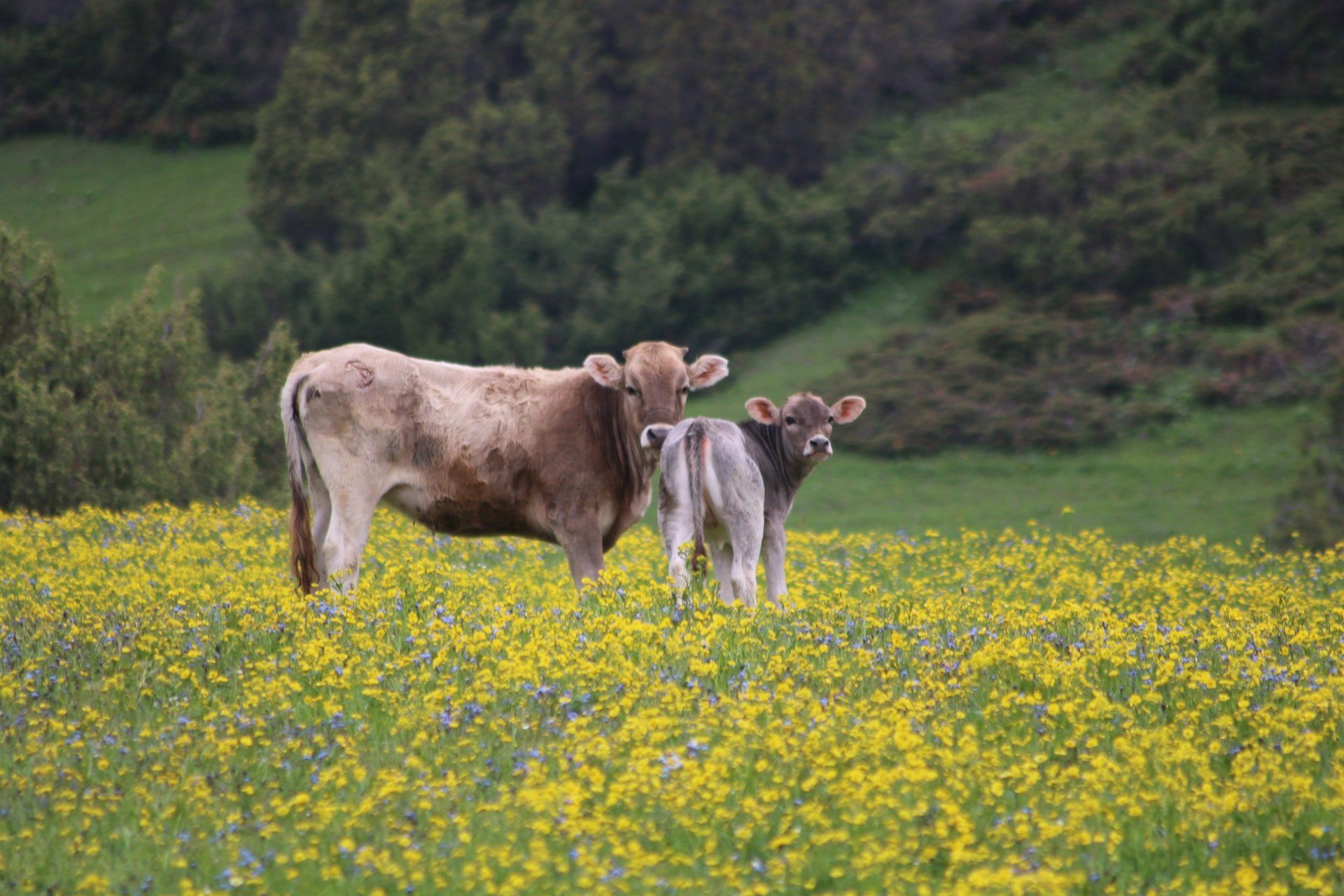
Our UK Eatwell Guide, the Public Health England (PHE) recommended balance of foods for our best health, the Mediterranean Diet and even the Planetary Health Diet, described as the optimal diet for people and planet, all value the key role of dairy, meat, fish and eggs from sustainable farming systems, while increasing the amount of fibre-rich food we eat. Just as our own Gut Health is nurtured by more natural food choices, cows reared as ‘pasture-fed’ (their most natural food source) have optimal gut bacteria too, which reduces their methane output & increases healthier, unsaturated fats and Vitamins in their meat. When it comes to animal-protein; we need to choose quality over quantity.
As a Registered Nutritionist and parent of two teens, I’m anxious about the rise in cases in cases of Rickets and Osteomalacia1 (soft bones in adulthood), Iron deficiency in teenage girls (we know in the UK that 48% have low intakes of iron2), a lack of Vitamin D associated with Covid-19 recovery3, the rise in Iodine deficiency in the UK, Vit B12 being crucial for nerve function and to prevent anaemia and our low intake of oily fish (its Omega 3 being associated with heart-health; much more plant omega 3 is required for this effect). Science shows us that animal protein foods are by far the best source of vital nutrients to minimise these diseases, and when it comes to Iron and Iodine, we’re talking about the correct brain development of the unborn baby into the first few years of life.

So how do we ensure this correct balance of nutrients for long-term health, while addressing climate change & the health of our environment?
As Nutritionists, we need to give clarity on the importance of quality animal protein – to tell the story of the valuable ‘hidden’ micro-nutrients it provides for our health when eaten as part of a plant-based diet, and the key role its British farming systems play, in maintaining the balance of our very natural cycle of nature.
37 world-leading scientists from 16 countries who form the Eat Lancet Commission, define the Planetary Health Diet mentioned above as the optimal way to eat - healthy diets from sustainable farming systems, to ensure global food security by 20504 while addressing UN Sustainable Development Goals. As their report summary states, ‘Food is the single strongest lever to optimise human health and environmental sustainability on Earth.’
Cows – our great ‘up-cyclers’
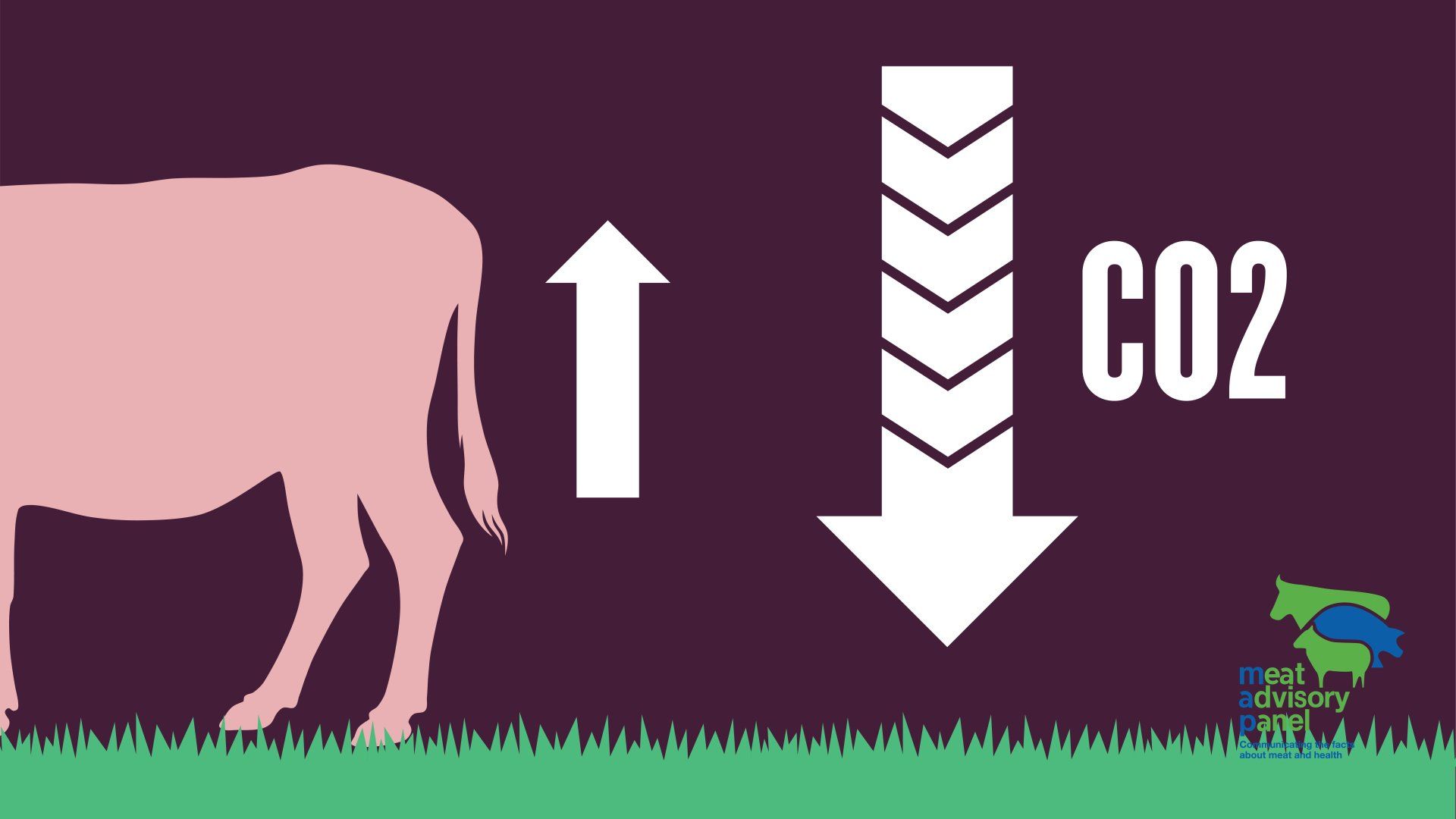
So, we need to continue shouting out about our natural resources on this maritime island, which our farming systems embrace. Take our biggest natural resource, grass, plentiful due to our rain, and efficiently converted from an inedible human food to highly nutritious milk and meat, by grazing cows. They trample carbon-rich plants into the soil as they roam, capturing carbon underground thanks to the billions of microbes in every handful, maintaining soil health and a balanced ecosystem. Although UK agriculture produces 10%5 of our greenhouse gas emissions, adjusting for this carbon-capture by cows reduces it to less than 4%6
As a Nutritionist with a background as a Vet, this story which needs to be shared loud and clear in 2021 has become more of a ‘calling’ for me, such is the urgency for our health and our planet. My professional code of conduct requires the use of evidence-based science to effectively advise on good food choices, so...
...this year I’ll be championing our sustainable British farming systems, both arable and animal produce, as not only providing vital nutrients for our health, but being the very cog in the wheel for the health of our environment, both of which are the biggest concerns of our time.
1. Uday, S,. Högler, W., Prevention of rickets and osteomalacia in the UK: political action overdue Archives of Disease in Childhood 2018;103:901-906
2. National Diet and Nutrition Survey NDNS: Years 9 to 11, Rolling Programme (2016/2017 to 2018/2019)
3. O'Shea, P., Griffin, T., Brennan, M., & Mulkerrin, E. (2020). COVID-19: The older adult and the importance of vitamin D sufficiency. Journal of Nutritional Science, 9, E40. doi:10.1017/jns.2020.36
4. Willett, W., et al (2019) Food in the Anthropocene: the EAT– Lancet Commission on healthy diets from sustainable food systems
5. UK Climate Change Risk Assessment 2017 ISBN 9781474137423 ID SGD0013128 01/17
6. Tapio, I., Snelling, TJ., Strozzi, F., Wallace, RJ., (2017) The ruminal microbiome associated with methane emissions from ruminant livestock Journal of Animal Science and Biotechnology; 8:7, DOI:10.1186/s40104-017-0141-0
Share:
You may also be interested in...